

Ceramic materials have been making waves in various industries, and ceramic shearing blades are no exception. As a supplier of [Ceramic Shearing Blades], I often get asked the question: Are ceramic shearing blades resistant to corrosion? In this blog post, we'll delve into the science behind ceramic materials, explore their corrosion resistance, and discuss the implications for different applications.
Understanding Ceramic Materials
Ceramics are inorganic, non-metallic materials that are typically made by heating and cooling raw materials. They are known for their high hardness, wear resistance, and thermal stability. There are different types of ceramics used in the production of shearing blades, including zirconia and alumina.
Zirconia, in particular, is a popular choice for ceramic shearing blades due to its excellent mechanical properties. It has high fracture toughness, which means it can withstand high stresses without breaking. Zirconia also has a low coefficient of friction, making it ideal for applications where smooth cutting is required.
Corrosion Resistance of Ceramic Shearing Blades
One of the key advantages of ceramic shearing blades is their resistance to corrosion. Unlike metal blades, which can rust and corrode when exposed to moisture and chemicals, ceramic blades are highly resistant to these types of environmental factors.
The corrosion resistance of ceramics is due to their chemical composition. Ceramics are made up of compounds that are stable and do not react easily with other substances. For example, zirconia ceramic blades are made of zirconium dioxide, which is a very stable compound. It does not oxidize or corrode in the presence of water or oxygen, making it suitable for use in wet or humid environments.
In addition to their chemical stability, ceramic shearing blades also have a smooth surface finish. This smooth surface prevents the accumulation of dirt, debris, and chemicals, which can contribute to corrosion. It also makes the blades easier to clean, further reducing the risk of corrosion.
Applications of Corrosion-Resistant Ceramic Shearing Blades
The corrosion resistance of ceramic shearing blades makes them suitable for a wide range of applications. Here are some examples:
- Textile Industry: In the textile industry, ceramic shearing blades are used in textile machinery to cut fabrics. These blades are exposed to various chemicals and dyes during the manufacturing process, and their corrosion resistance ensures that they maintain their cutting performance over time. Textile Machinery Ceramic Blades are specifically designed to meet the requirements of the textile industry.
- Food Processing: In the food processing industry, ceramic shearing blades are used to cut and slice food products. These blades are in contact with food, which can contain acids, salts, and other corrosive substances. The corrosion resistance of ceramic blades ensures that they do not contaminate the food and maintain their sharpness and cutting performance.
- Medical Industry: In the medical industry, ceramic shearing blades are used in surgical instruments. These blades need to be sterile and resistant to corrosion to prevent the spread of infection. The corrosion resistance of ceramic blades makes them a reliable choice for medical applications.
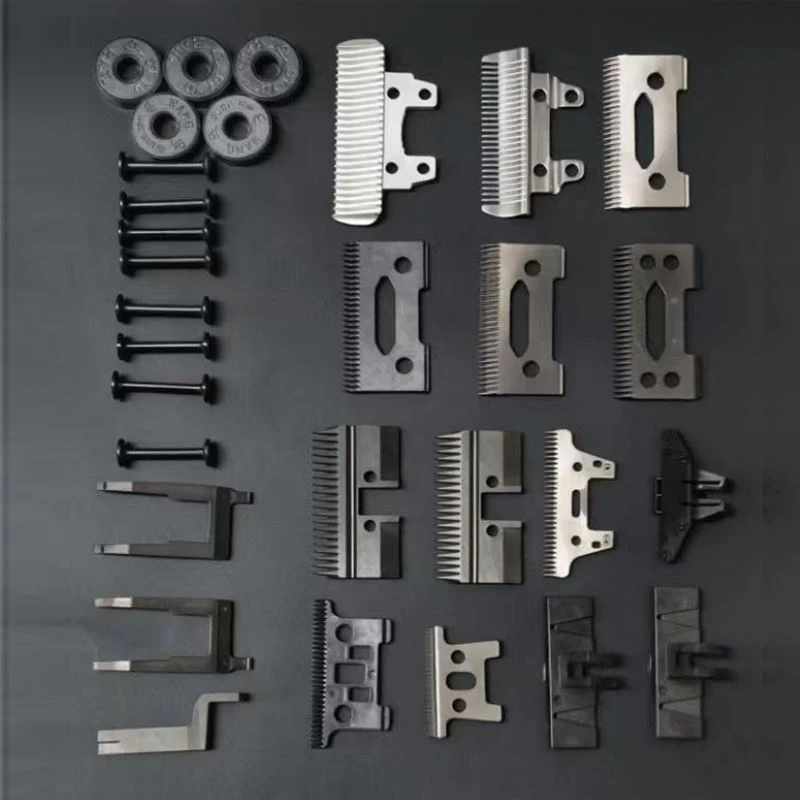
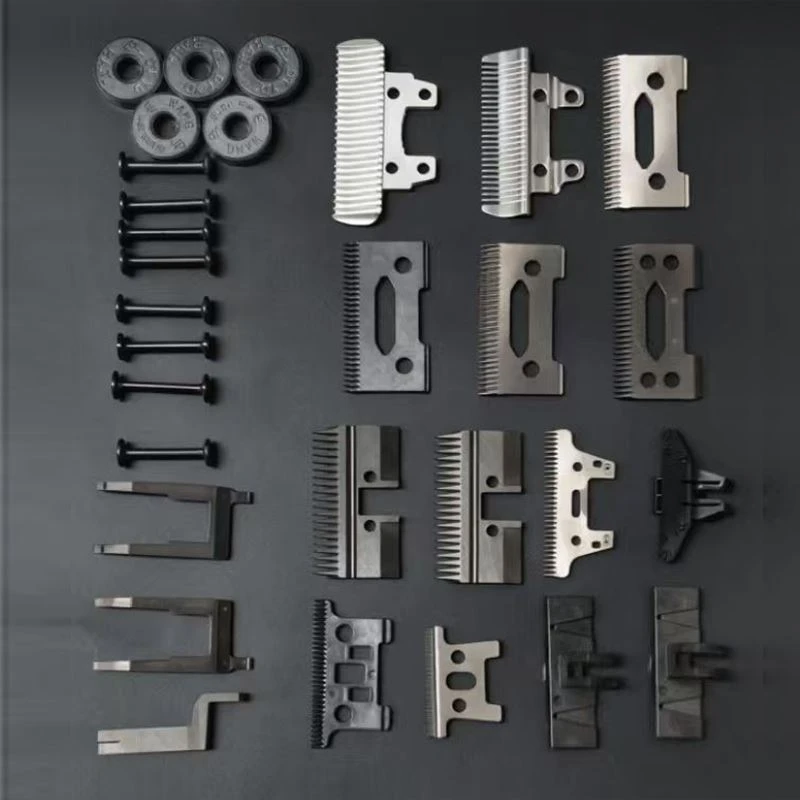
- Beauty Industry: In the beauty industry, ceramic shearing blades are used in hair clippers and scissors. These blades are exposed to hair products and moisture, and their corrosion resistance ensures that they maintain their sharpness and cutting performance. Hair Clip Ceramic Blades are a popular choice for professional hairstylists.
Comparing Ceramic Shearing Blades with Metal Blades
When it comes to corrosion resistance, ceramic shearing blades have a clear advantage over metal blades. Metal blades, such as steel blades, are prone to rust and corrosion when exposed to moisture and chemicals. This can lead to a decrease in cutting performance and a shorter lifespan for the blades.
In addition to their corrosion resistance, ceramic shearing blades also have other advantages over metal blades. They are lighter in weight, which makes them easier to handle and reduces fatigue during use. They also have a higher hardness, which means they can maintain their sharpness for longer periods of time.
However, it's important to note that ceramic shearing blades also have some limitations. They are more brittle than metal blades, which means they can break if they are subjected to high impact or stress. They are also more expensive than metal blades, which can be a factor for some applications.
Maintaining Ceramic Shearing Blades
To ensure the long-term performance and corrosion resistance of ceramic shearing blades, it's important to maintain them properly. Here are some tips for maintaining ceramic shearing blades:
- Clean Regularly: Clean the blades after each use to remove any dirt, debris, or chemicals. Use a mild detergent and warm water, and avoid using abrasive cleaners or brushes that can scratch the surface of the blades.
- Store Properly: Store the blades in a dry and clean environment to prevent moisture and corrosion. Avoid storing the blades in direct sunlight or in areas with high humidity.
- Handle with Care: Handle the blades with care to avoid dropping or damaging them. Ceramic blades are more brittle than metal blades, so they can break if they are subjected to high impact or stress.
Conclusion
In conclusion, ceramic shearing blades are highly resistant to corrosion due to their chemical composition and smooth surface finish. This makes them suitable for a wide range of applications, including the textile, food processing, medical, and beauty industries. While they have some limitations, such as brittleness and higher cost, their corrosion resistance and other advantages make them a valuable choice for many applications.
If you're interested in learning more about our Ceramic Shearing Blades or other types of ceramic blades, such as Zirconia Ceramic Blades and Precision Ceramic Blades, please feel free to contact us. We'd be happy to discuss your specific needs and provide you with more information.
References
- "Ceramics: Structure, Properties, and Applications" by John B. Wachtman Jr.
- "Corrosion Resistance of Ceramic Materials" by R. A. Rapp.
- "Textile Machinery and Its Components" by S. C. Mukhopadhyay.