

Hey there! As a supplier of Textile Ceramic Parts, I often get asked if these parts can be used in the aerospace industry. Well, let's dive right into it and explore the possibilities.
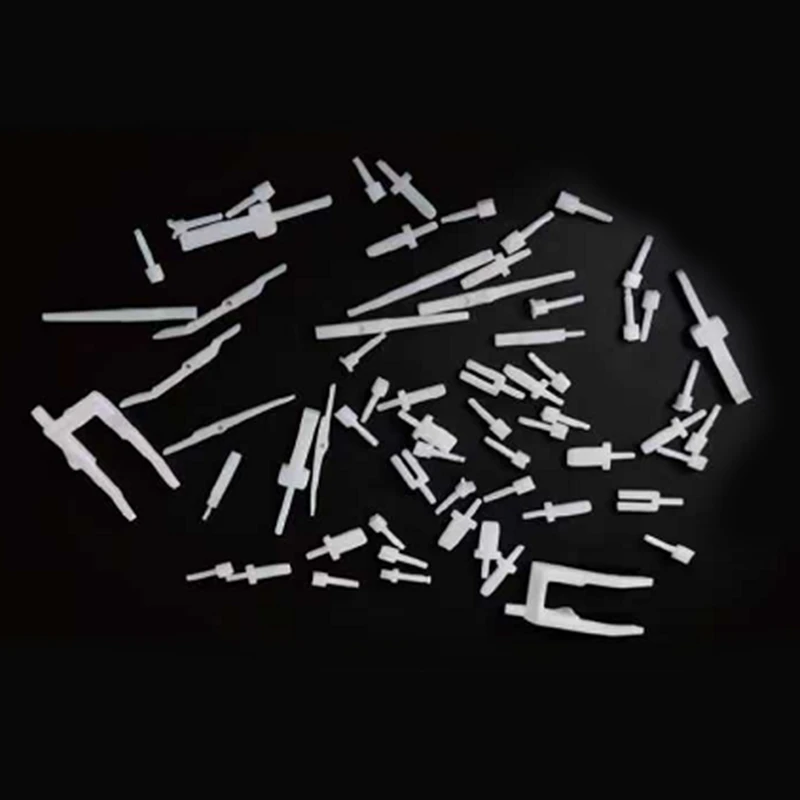
First off, what are textile ceramic parts? Textile ceramic parts are made from ceramic materials that are formed into various shapes and sizes, often used in textile machinery for guiding yarns. For example, Ceramic Yarn Guide is one of the common textile ceramic parts. These parts are known for their high wear resistance, low friction, and excellent chemical stability.
Now, let's think about the aerospace industry. It's a super demanding field where materials need to be able to withstand extreme conditions. The aerospace environment involves high temperatures, intense pressures, and exposure to various chemicals. So, can textile ceramic parts cut it?
One of the key advantages of textile ceramic parts is their heat resistance. In aerospace applications, components are often exposed to extremely high temperatures, especially in areas like engine parts. Textile ceramics can handle these high - heat situations pretty well. They have a high melting point and can maintain their structural integrity even when things get hot. For instance, in some aerospace heat shields, materials with good heat - resistant properties are crucial. Textile ceramic parts could potentially be used in these heat - shield systems to protect sensitive components from the intense heat generated during flight.
Another important factor is their lightweight nature. In the aerospace industry, every gram counts. The lighter the components, the less fuel the aircraft needs to carry, which ultimately leads to cost savings and better fuel efficiency. Textile ceramic parts are relatively lightweight compared to some traditional metals. This makes them an attractive option for use in non - load - bearing or semi - load - bearing components in an aircraft. For example, they could be used in interior fittings or some of the smaller control mechanisms where weight reduction is a priority.
The low friction property of textile ceramic parts is also a big plus. In aerospace, moving parts need to operate smoothly with minimal friction. High friction can lead to wear and tear, which can be a major safety concern. Textile ceramic parts, like the ones in Textile Ceramic Yarn Guides, have low friction coefficients. This means that when they are used in aerospace applications such as in bearings or sliding mechanisms, they can reduce the amount of energy lost due to friction and increase the lifespan of the components.
However, it's not all sunshine and rainbows. There are some challenges when it comes to using textile ceramic parts in the aerospace industry. One of the main issues is their brittleness. Ceramics, in general, are more brittle than metals. In the aerospace environment, where components are often subject to vibrations and impacts, this brittleness can be a problem. If a ceramic part cracks or breaks, it can lead to a malfunction of the entire system. So, engineers need to carefully design the components and ensure that they are properly supported to minimize the risk of breakage.
Another challenge is the cost. Producing high - quality textile ceramic parts can be expensive. The aerospace industry is highly cost - conscious, especially when it comes to large - scale production. The cost of materials, manufacturing processes, and quality control for textile ceramic parts can be relatively high compared to some other materials. This might limit their widespread use in the aerospace industry, especially for applications where cost is a major factor.
Despite these challenges, there are already some areas where textile ceramic parts are starting to make their mark in the aerospace industry. For example, in some small - scale robotic systems used in aerospace maintenance and inspection, Ceramic Parts for Robots can be used. These robots need components that are lightweight, heat - resistant, and have low friction, which textile ceramic parts can provide.
In automation systems within the aerospace manufacturing process, Automation Ceramic Parts can also be beneficial. They can help improve the efficiency and reliability of the automated production lines.
As a supplier of Textile Ceramic Parts, we are constantly working on improving the properties of our products. We are looking for ways to reduce the brittleness of our ceramic parts and make them more suitable for the harsh aerospace environment. We are also exploring cost - effective manufacturing methods to make our products more competitive in the aerospace market.
If you're in the aerospace industry and are considering using textile ceramic parts in your applications, I'd love to have a chat with you. We can discuss your specific requirements, and I can show you how our products can meet your needs. Whether it's for heat - resistant components, lightweight interior fittings, or parts for automation systems, we have a range of textile ceramic parts that could be a great fit for your projects.
So, don't hesitate to reach out if you're interested in learning more about our textile ceramic parts and how they can be used in the aerospace industry. We're here to help you find the best solutions for your aerospace needs.
References

- Various industry reports on aerospace materials and their properties.
- Research papers on the development and application of ceramic materials in high - tech industries.