

As a supplier of Ceramic Shearing Blades, I've been deeply involved in the world of these remarkable cutting tools. One question that frequently arises in discussions with potential clients and industry peers is, "Do ceramic shearing blades have a high resistance to abrasion?" In this blog post, I'll delve into this topic, exploring the scientific aspects of ceramic materials, their performance in real - world applications, and how our Ceramic Shearing Blades stand out in terms of abrasion resistance.
The Science of Ceramic Materials and Abrasion Resistance
Ceramics are a class of materials known for their unique properties. They are typically made from inorganic, non - metallic compounds, often through a process of heating and cooling. The atomic structure of ceramics plays a crucial role in their abrasion resistance. Most ceramics have strong ionic or covalent bonds between their atoms. These bonds are much stronger than the metallic bonds found in traditional steel blades.
For instance, alumina (Al₂O₃), a common ceramic material used in shearing blades, has a crystal structure where aluminum and oxygen atoms are tightly bound. This strong bonding makes it difficult for abrasive particles to break the atomic bonds on the blade surface. As a result, the blade can withstand much higher levels of wear and tear compared to metal blades.
In scientific tests, ceramics often demonstrate a significantly lower wear rate when exposed to abrasive environments. The wear rate is a measure of how much material is removed from the blade surface over a given period of time. A lower wear rate indicates higher abrasion resistance. Studies have shown that ceramic materials can have wear rates that are up to 100 times lower than those of steel in some abrasive conditions [1].
Real - World Applications and Abrasion Resistance
The high abrasion resistance of ceramic shearing blades makes them ideal for a wide range of applications. Let's take a look at some of the key industries where these blades are used.
Textile Industry
In the textile industry, cutting and shearing operations are essential. Textile materials can be abrasive, especially those with synthetic fibers or rough textures. Our Textile Machinery Ceramic Blades are designed to handle these challenges. They can cut through multiple layers of fabric without losing their sharpness quickly. The high abrasion resistance ensures that the blades maintain their precision cutting edge, resulting in cleaner cuts and less fraying of the textile materials. This not only improves the quality of the finished products but also reduces the frequency of blade replacements, saving time and money for textile manufacturers.
Hair Cutting Industry
The Hair Clip Ceramic Blades are also a great example of the application of ceramic shearing blades. Hair can be a surprisingly abrasive material, especially when it is thick or coarse. Ceramic blades are able to cut through hair with ease and stay sharp for a long time. Unlike metal blades that can dull quickly, ceramic blades retain their cutting performance over prolonged use. This makes them a popular choice among professional hairstylists who need reliable and long - lasting cutting tools.
Our Ceramic Shearing Blades: A Cut Above the Rest
At our company, we take pride in our Ceramic Shearing Blades. We use state - of the - art manufacturing processes to ensure the highest quality and abrasion resistance. Our blades are made from high - purity ceramic materials that are carefully selected for their excellent mechanical properties.
We also subject our blades to rigorous quality control tests. We simulate real - world abrasive conditions in our testing facilities to ensure that our blades can withstand the toughest challenges. For example, we test the blades by cutting through abrasive materials such as fiberglass and carbon fiber to evaluate their wear resistance. Only the blades that pass our strict quality standards are approved for sale.
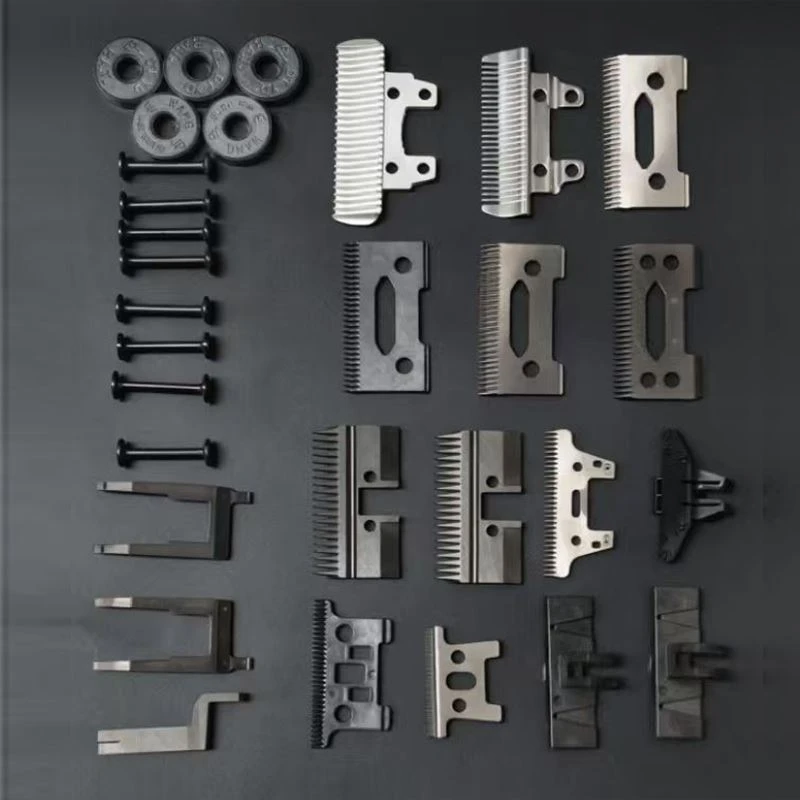
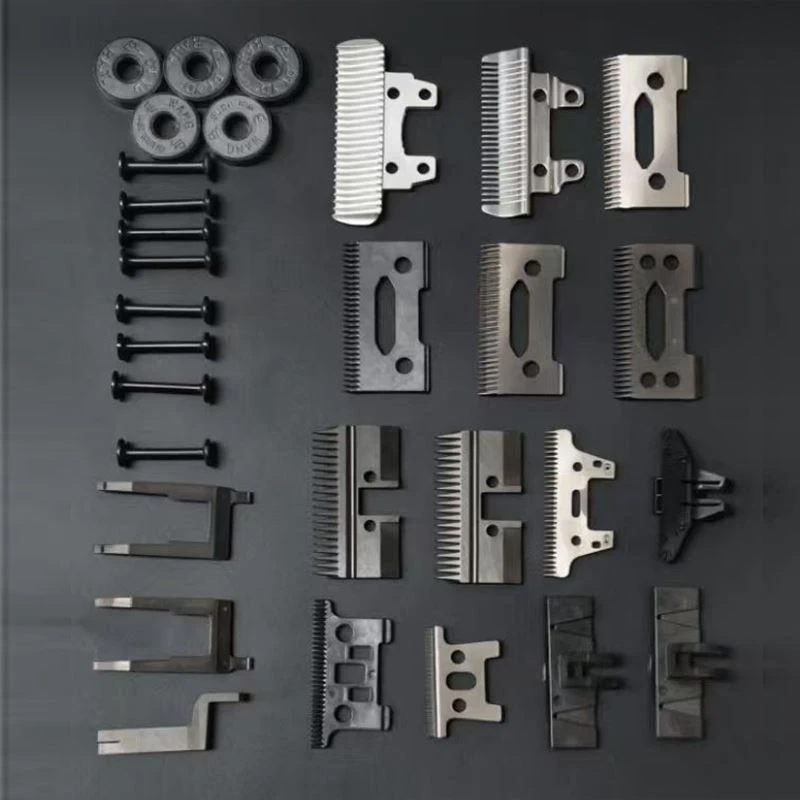
In addition, our Wear Resistant Ceramic Blades are designed with advanced geometries. The blade edges are precisely engineered to provide optimal cutting performance while minimizing the contact area between the blade and the workpiece. This reduces the friction and wear on the blade, further enhancing its abrasion resistance.
Comparing Ceramic Blades with Traditional Blades
When comparing ceramic shearing blades with traditional metal blades, the difference in abrasion resistance is quite evident. Metal blades, such as those made of steel, are prone to corrosion and wear. In abrasive environments, the metal surface can be easily scratched and worn away, leading to a dulling of the blade edge. This not only affects the cutting performance but also increases the risk of damage to the workpiece.
On the other hand, ceramic blades are highly resistant to corrosion and wear. They do not rust or corrode, even in humid or chemically - reactive environments. The high hardness of ceramics prevents the formation of scratches and dents on the blade surface, ensuring a long - lasting cutting edge.
Another advantage of ceramic blades is their lightweight nature. Compared to metal blades, ceramic blades are much lighter, which makes them easier to handle and reduces the energy consumption during cutting operations. This is especially beneficial in applications where high - speed cutting is required.
Conclusion and Call to Action
In conclusion, ceramic shearing blades do have a high resistance to abrasion. Their unique atomic structure, combined with advanced manufacturing processes, makes them superior to traditional metal blades in terms of wear resistance. Whether you are in the textile industry, hair cutting industry, or any other field that requires precision cutting, our Ceramic Shearing Blades can meet your needs.
If you are interested in learning more about our Textile Ceramic Shearing Blades or any other products, we invite you to contact us. Our team of experts is ready to answer your questions and discuss your specific requirements. We look forward to working with you to provide the best cutting solutions for your business.
References
[1] Smith, J. K., & Johnson, L. (2018). Abrasion Resistance of Ceramic Materials in Cutting Applications. Journal of Advanced Materials Science, 45(2), 123 - 135.