

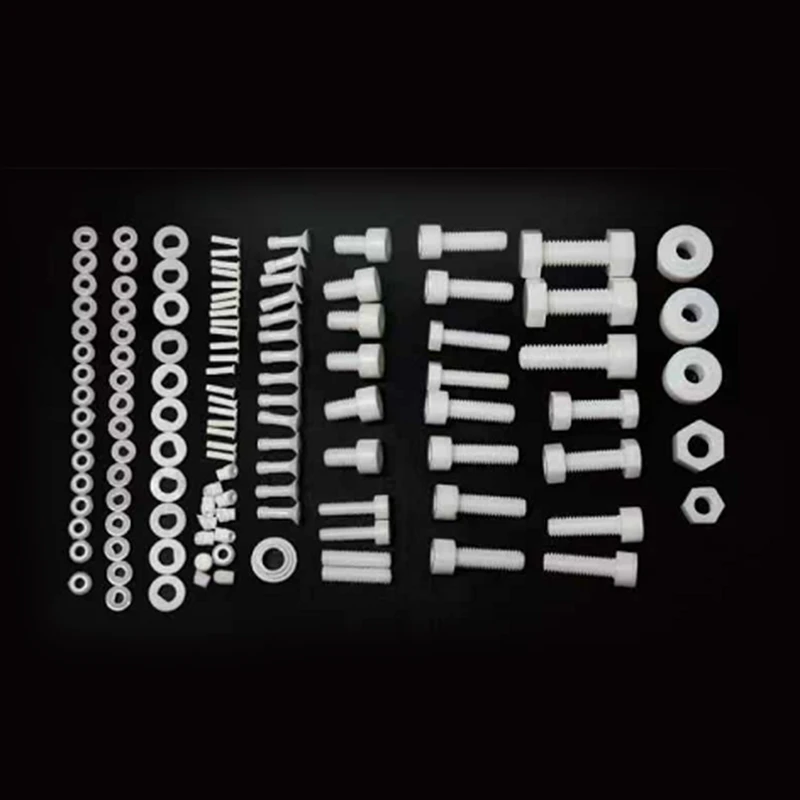
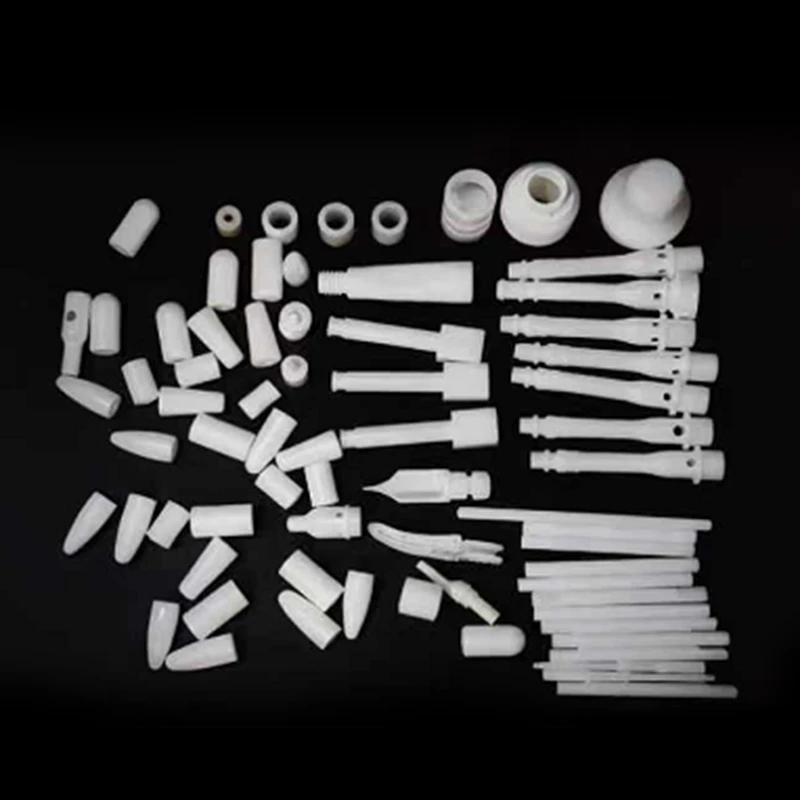
Precision Ceramics for Photovoltaic Equipment are made for positioning, transmission, test fixtures, and assembly interfaces in photovoltaic automation. Typical uses include precision transmission mechanisms, testing instruments, module assembly structures, and intelligent equipment where the ceramic part works directly with a locating or motion system.
Core Advantages
Ultra-Precision Geometry Control
Standard dimensional tolerance is ±0.01 mm, and ultra-precision machining can reach ±0.001 mm. This is suited to locating pins, guide blocks, and mating interfaces that return to the same datum repeatedly, where small geometric errors can accumulate. Tight geometry helps keep positioning or measurement coordinates within the specified limits.
Dense Wear-Resistant Contact Surfaces
The ceramic body is dense and uniform, with wear resistance specified for photovoltaic equipment. On sliding, indexing, or repeated-insertion contact points, that wear resistance helps the working profile and mating fit change more slowly over repeated cycles.
Electrical Isolation Without Magnetic Coupling
Zirconia is electrically insulating and non-magnetic. It can therefore provide mechanical location near sensors, drive assemblies, and other precision structures without adding an unwanted conductive path or magnetic interaction.
Customization
- Material Grade
Standard production uses 3Y zirconia ceramic. Other precision-grade ceramic materials can be selected when the project calls for different thermal, electrical, wear, or chemical performance.
- Geometry and Feature Set
Parts can be made to customer drawings as standard photovoltaic precision components or non-standard designs. Available features include complex microstructures, irregular profiles, holes, slots, steps, and mating details.
- Prototype and Production Scope
Production can start with small-batch prototypes and continue into repeat orders for non-standard precision parts. Customer-supplied ceramic material can also be machined when the project specification calls for it.
Quality Control
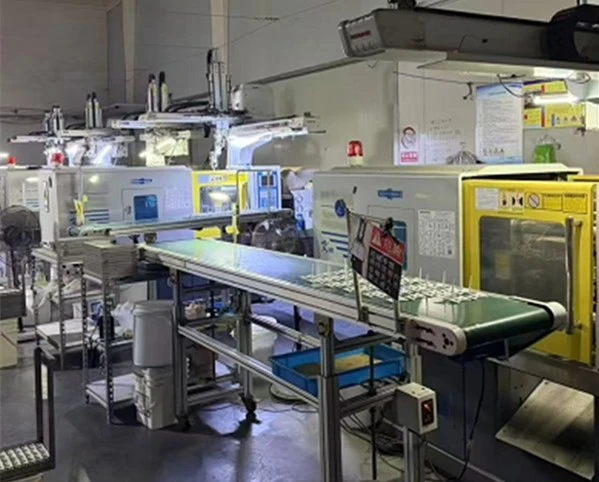
Inspection follows the released drawing, specification, or confirmed sample. After firing and finish machining, the team checks critical diameters, thicknesses, hole positions, mating faces, and other locating features against that same acceptance basis.
Fit dimensions and working surfaces are checked as separate items. Polished faces, contact areas, edges, and precision interfaces are examined for chips, surface damage, or other conditions that could interfere with assembly.
Before packing, finished parts go through final inspection and the inspection record stays linked to the production batch. Third-party inspection can be included when required by the order. Packing keeps precision faces and edges from contacting each other during transport.
Product Parameters & Customization Details
|
Item |
Parameters & Customization Details |
|
Custom Material |
Standard 3Y zirconia ceramic; precision-grade special ceramic materials available upon request |
|
Structural Design |
Mature production for standard photovoltaic precision parts; complex microstructures and irregular shapes can be customized according to drawings |
|
Precision Grade |
Standard tolerance ±0.01mm; ultra-precision machining up to ±0.001mm available |
|
Performance Features |
High precision, wear resistance, high-temperature resistance, electrical insulation, and corrosion resistance; performance enhancement available for specialized applications |
|
Production Mode |
Large-scale mass production; supports small-batch prototyping and non-standard precision photovoltaic component customization with customer-supplied materials |
FAQ
Q: What is the MOQ?
A: There is no fixed MOQ; quantity and pricing are discussed by order.
Q: What are the payment terms for custom-made parts?
A: 50% deposit and 50% balance before shipment.
Q: Can these ceramics work in equipment exposed to temperature variation?
A: Yes. High- and low-temperature resistance is included in the product specification for photovoltaic precision applications.
Q: Can corrosion-resistant versions be supplied for exposed equipment positions?
A: Yes. Corrosion-resistant options are within the listed performance range, with the material selected for the actual exposure condition.
Hot Tags: precision ceramics for photovoltaic equipment, China precision ceramics for photovoltaic equipment manufacturers, suppliers, factory, Ceramic Nozzles For Photovoltaic Equipment, Ceramic Pliers For Photovoltaic Equipment, Photovoltaic Assembly Component Ceramics, Photovoltaic Equipment Ceramic Slice, photovoltaic equipment ceramics, Precision Ceramics For Photovoltaic Equipment


