

When it comes to selecting the appropriate precision ceramic blade to meet your specific requirements, there are multiple factors that need careful consideration. As a seasoned supplier of Precision Ceramic Blades, I've witnessed the diverse needs and applications that customers present. This blog aims to provide a comprehensive guide on how you can make an informed decision when choosing the right precision ceramic blade.
Understanding Precision Ceramic Blades
Precision ceramic blades are crafted from high - performance ceramic materials, and they are known for their exceptional hardness, wear resistance, and chemical inertness. These properties set them apart from traditional metal blades. For instance, zirconia ceramic, a common material for Zirconia Ceramic Blades, has a hardness that is comparable to that of sapphire, making it extremely durable and long - lasting.
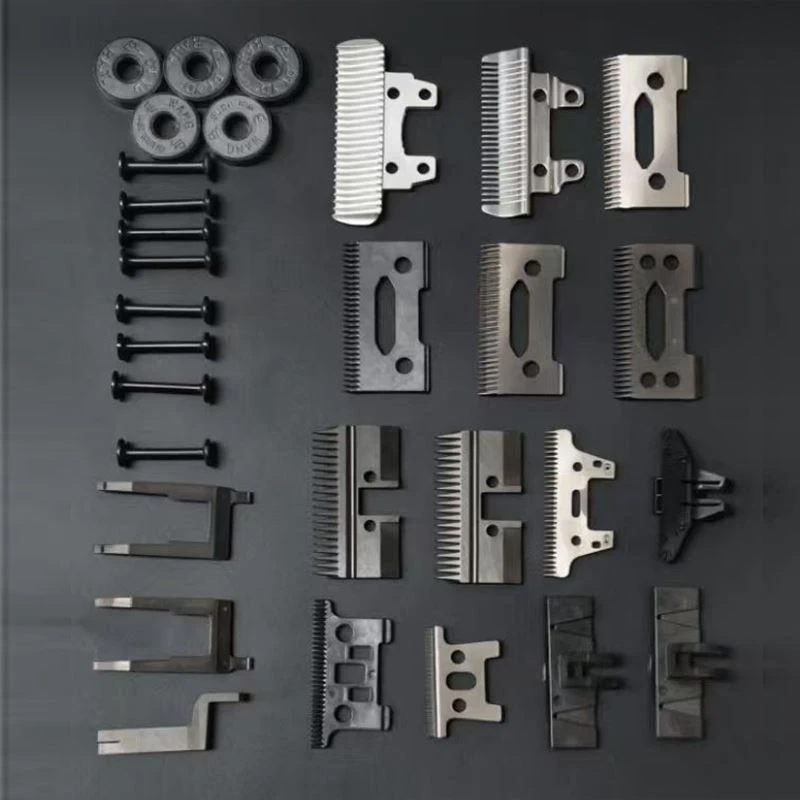
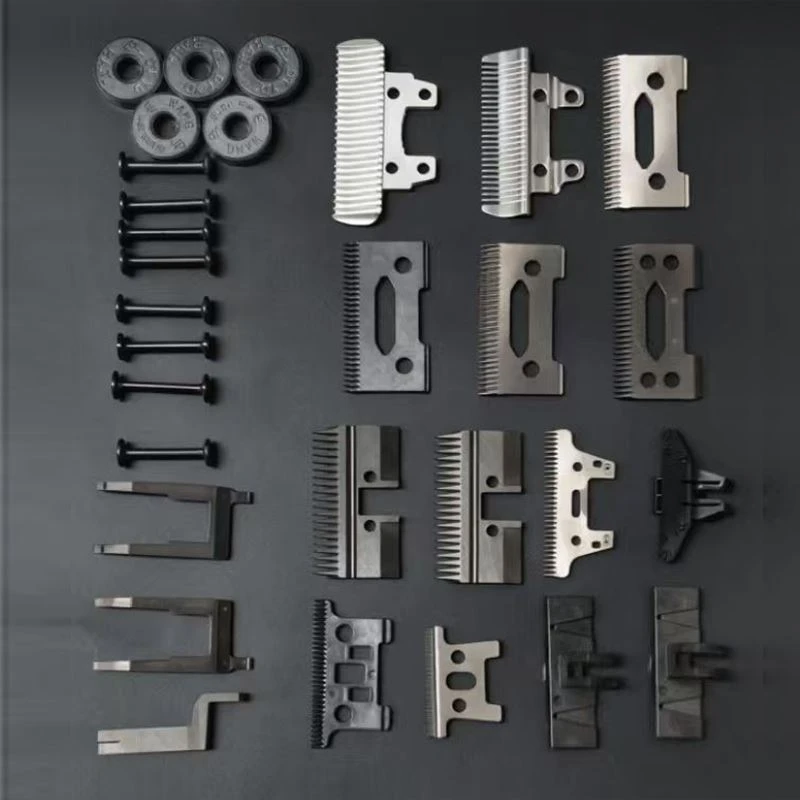
The manufacturing process of precision ceramic blades involves advanced techniques to ensure high precision and quality. They can be fabricated into various shapes and sizes, which makes them suitable for a wide range of industries and applications.
Factors to Consider When Choosing a Precision Ceramic Blade
1. Application
The first and most crucial factor is the intended application of the blade. Different industries have different requirements for blade performance.
- Hair Styling: In the hair styling industry, Hair Clip Ceramic Blades are highly sought after. Ceramic blades in hair clippers are preferred because they stay sharp for a long time, which is essential for clean and precise haircuts. They also generate less heat compared to metal blades, reducing the risk of hair damage.
- Industrial Use: Industrial Ceramic Blades are used in a variety of industrial processes, such as cutting, slicing, and trimming. They are often required to withstand high - speed operations and heavy loads. For example, in the food processing industry, ceramic blades are used to cut through various food items, including meats and vegetables. Their non - reactive nature ensures that the food's taste and quality are not affected.
- Textile Industry: Textile Machinery Ceramic Blades play a vital role in textile manufacturing. They are used for cutting fabrics, yarns, and fibers. The high precision and sharpness of ceramic blades ensure clean cuts, which is crucial for maintaining the quality of the textile products.
2. Material
The material of the ceramic blade significantly impacts its performance. The most common ceramic materials used for blades are zirconia and alumina.
- Zirconia: Zirconia ceramic blades are known for their high strength, toughness, and wear resistance. They can withstand high - stress applications without easily chipping or breaking. Zirconia blades also have good corrosion resistance, making them suitable for use in harsh environments.
- Alumina: Alumina ceramic blades are relatively harder than zirconia but are more brittle. They are often used in applications where high hardness and wear resistance are required, such as in the cutting of abrasive materials. However, they may not be as suitable for applications with high - impact loads.
3. Blade Geometry
The geometry of the blade, including its shape, size, and edge design, is also an important consideration.
- Shape: The shape of the blade depends on the specific application. For example, a circular blade may be used for continuous cutting operations, while a straight blade is more suitable for linear cutting. Some blades may also have special shapes, such as serrated edges, which can provide better cutting performance for certain materials.
- Size: The size of the blade is determined by the size of the workpiece and the cutting requirements. A larger blade may be needed for cutting large - scale materials, while a smaller blade is more appropriate for precision work.
- Edge Design: The edge design of the blade affects its cutting efficiency and performance. A sharp edge can provide clean cuts, while a beveled edge may be more suitable for applications where the blade needs to penetrate the material easily.
4. Tolerance and Precision
In some applications, such as in the electronics and medical industries, high tolerance and precision are required. Precision ceramic blades can be manufactured to very tight tolerances, ensuring accurate and consistent cutting results. When choosing a blade, consider the required dimensional accuracy and surface finish of the cuts.
Cost - Benefit Analysis
When selecting a precision ceramic blade, it's important to conduct a cost - benefit analysis. Although ceramic blades may have a higher upfront cost compared to metal blades, their long - term benefits often outweigh the initial investment.
- Longevity: Ceramic blades are extremely wear - resistant, which means they have a longer lifespan compared to metal blades. This reduces the frequency of blade replacements, resulting in cost savings over time.
- Performance: The high performance of ceramic blades, such as their sharpness and precision, can improve the quality and efficiency of the cutting process. This can lead to increased productivity and reduced waste, further enhancing the cost - effectiveness of using ceramic blades.
Our Role as a Supplier
As a leading supplier of precision ceramic blades, we are committed to providing our customers with the best products and services. We have a wide range of Precision Ceramic Blades in different materials, shapes, and sizes to meet the diverse needs of our customers.
Our team of experts can assist you in choosing the most suitable blade for your specific application. We have in - depth knowledge of ceramic materials and blade manufacturing processes, and we can provide professional advice based on your requirements.
In addition to our product quality, we also offer excellent customer service. We ensure timely delivery and after - sales support to guarantee your satisfaction.
Conclusion
Choosing the right precision ceramic blade requires a comprehensive understanding of your specific needs, the properties of different ceramic materials, and the factors that affect blade performance. By carefully considering the application, material, blade geometry, and tolerance, you can make an informed decision and select a blade that will provide the best results for your operations.
If you are in the market for precision ceramic blades and need further assistance in making your choice, we invite you to contact us for a discussion. Our team of professionals is ready to help you explore the options and find the perfect blade for your requirements.
References
- "Ceramic Materials for Engineering Applications", John D. Bierwagen, CRC Press.
- "Manufacturing Technology: Metal Cutting and Machine Tools", Ajay Kumar, McGraw - Hill Education.
- Industry reports on ceramic blade applications in various sectors.