

Hey there! As an industry ceramics supplier, I've seen firsthand how important it is for industrial ceramics to have top - notch corrosion resistance. In this blog, I'm gonna share some tips on how to enhance that corrosion resistance.
Understanding the Basics of Corrosion in Industrial Ceramics
Before we dive into the solutions, let's quickly go over what causes corrosion in industrial ceramics. Corrosion is basically the deterioration of a material due to chemical reactions with its environment. For industrial ceramics, factors like high humidity, exposure to aggressive chemicals, and extreme temperatures can all trigger corrosion.
Take for example, in a chemical processing plant where ceramics are used in pipes or containers. These ceramics are constantly in contact with strong acids or alkalis. Over time, these chemicals can react with the ceramic material, causing it to break down and lose its structural integrity.
Selecting the Right Ceramic Material
One of the first steps in enhancing corrosion resistance is choosing the right ceramic material. Different ceramics have different levels of resistance to corrosion. For instance, alumina ceramics are known for their good general corrosion resistance. They can withstand a wide range of chemicals and are often used in applications where mild to moderate corrosion is a concern.
On the other hand, zirconia ceramics offer even better corrosion resistance, especially in more aggressive environments. They are more stable and less likely to react with chemicals. So, if you're dealing with harsh chemicals in your industry, zirconia might be a better choice.
If you're looking for ceramic parts for specific applications, check out our Robot Ceramic Joints and Ceramic Parts for Robots. These are made from high - quality materials that have been selected for their corrosion resistance and durability.
Surface Treatments
Another effective way to enhance corrosion resistance is through surface treatments. There are several types of surface treatments available, and each has its own benefits.
Coating
Applying a protective coating to the ceramic surface is a popular method. Coatings can act as a barrier between the ceramic and the corrosive environment. For example, a polymer coating can provide a smooth and non - reactive surface that resists chemical attack. Some coatings also have self - healing properties, which means that if the coating gets damaged, it can repair itself to some extent.
Glazing
Glazing is another traditional surface treatment. A glaze is a thin layer of glass that is applied to the ceramic surface. It not only gives the ceramic a nice finish but also protects it from corrosion. Glazes can be formulated to be resistant to specific chemicals, so you can choose a glaze that suits your application.
For textiles, our Textile Ceramic Parts and Ceramic Yarn Guide often go through surface treatments to enhance their corrosion resistance. This ensures that they can last longer in the textile manufacturing environment.
Design Considerations
The design of the ceramic part also plays a crucial role in its corrosion resistance. Here are some design tips:
Avoiding Crevices
Crevices can trap moisture and chemicals, which can accelerate corrosion. When designing a ceramic part, try to avoid creating sharp corners or narrow gaps. A smooth and seamless design is better for preventing corrosion.
Proper Ventilation
In some applications, proper ventilation can help reduce the build - up of corrosive gases or moisture. For example, if a ceramic component is used in a closed system, make sure there are adequate vents to allow for the escape of harmful substances.
Maintenance and Monitoring
Once the industrial ceramics are in use, regular maintenance and monitoring are essential to keep their corrosion resistance at a high level.
Cleaning
Regular cleaning can remove any dirt, chemicals, or debris that might be accumulating on the ceramic surface. Use a mild cleaning agent that won't damage the ceramic. Avoid using abrasive cleaners that can scratch the surface and make it more susceptible to corrosion.

Inspection
Periodically inspect the ceramic parts for signs of corrosion. Look for changes in color, texture, or any visible damage. If you notice any issues, take action immediately to prevent further corrosion.
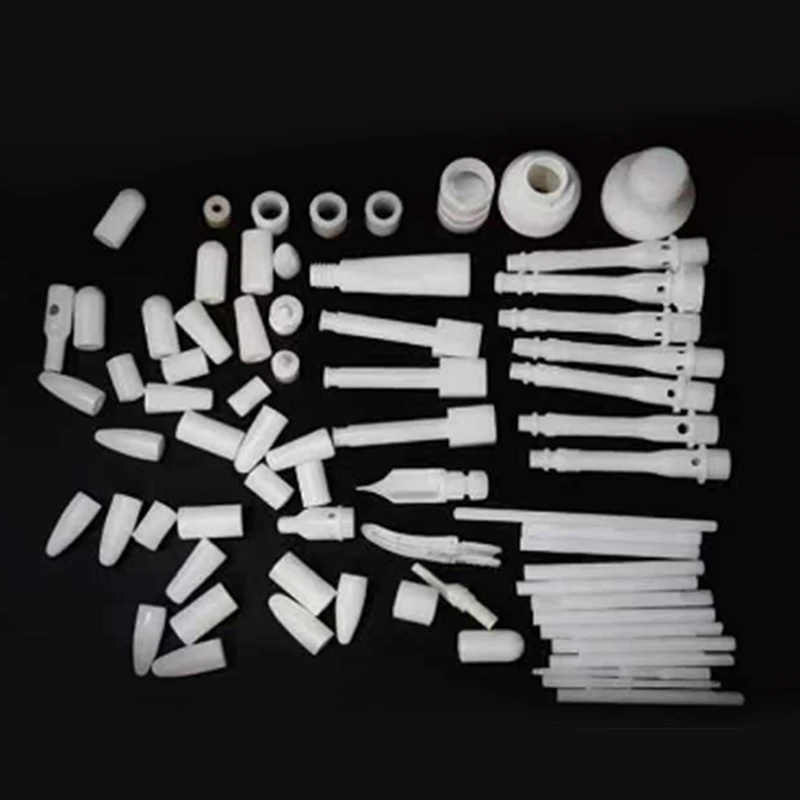
Our Ceramic Spray Nozzle requires regular maintenance to ensure its corrosion resistance. By following the maintenance guidelines, you can extend its lifespan and keep it working effectively.
Conclusion
Enhancing the corrosion resistance of industrial ceramics is a multi - faceted process. It involves choosing the right material, applying surface treatments, considering the design, and maintaining the parts properly. By following these tips, you can ensure that your industrial ceramics last longer and perform better in corrosive environments.
If you're interested in purchasing high - quality industrial ceramics with excellent corrosion resistance, we'd love to talk to you. Whether you need parts for robots, textiles, or other industrial applications, we have the expertise and products to meet your needs. Let's start a conversation about how we can help you with your ceramic requirements.
References
- “Ceramics in Industry: Properties and Applications,” Smith, J., 2020.
- “Corrosion Prevention in Industrial Materials,” Johnson, R., 2019.