

As a supplier of Robot Ceramic Joints, I've seen firsthand how the geometric shape of these joints can have a huge impact on their function. In this blog, I'll dive into the relationship between the shape of robot ceramic joints and their performance, sharing insights based on my experience in the industry.
The Basics of Robot Ceramic Joints
Before we get into the details of how shape affects function, let's quickly go over what robot ceramic joints are. These joints are crucial components in robotic systems, providing the flexibility and movement needed for robots to perform various tasks. Ceramics are used because they offer several advantages, such as high strength, wear resistance, and the ability to withstand high temperatures.
How Shape Influences Mobility
One of the most obvious ways the geometric shape of robot ceramic joints affects their function is in terms of mobility. Different shapes allow for different ranges of motion. For example, a ball - and - socket joint, which is spherical in shape, provides a wide range of movement in multiple directions. This type of joint is great for robots that need to perform complex tasks, like those in the manufacturing industry where they might need to reach into tight spaces or manipulate objects from various angles.
On the other hand, a hinge joint, which has a more linear shape, is designed for movement in a single plane. It's commonly used in robots where a simple up - and - down or back - and - forth motion is required, such as in some assembly line robots. The shape of the hinge restricts the movement to a specific direction, which can be an advantage when precision in a particular movement is needed.
Impact on Load - Bearing Capacity
The shape of robot ceramic joints also plays a significant role in their load - bearing capacity. A joint with a larger surface area in contact with the load can distribute the weight more evenly. For instance, a flat - faced joint can handle a relatively large load because the force is spread out over a wider area. This is important in applications where robots need to lift heavy objects, like in the logistics and warehousing industry.
In contrast, a joint with a more pointed or narrow shape may have a lower load - bearing capacity. However, these joints can be useful in situations where a more concentrated force is required, such as in some precision machining operations where a small, targeted force is needed to perform a specific task.
Wear and Tear
Wear and tear is another aspect affected by the geometric shape of robot ceramic joints. Joints with smooth, rounded shapes tend to experience less friction during movement. This is because the rounded surfaces allow for a more fluid motion, reducing the amount of abrasion between the joint and other components. As a result, these joints have a longer lifespan and require less maintenance.
For example, a circular - shaped joint in a robotic arm can rotate smoothly, minimizing the wear on the ceramic material. In contrast, joints with sharp edges or irregular shapes are more likely to cause uneven wear. The sharp edges can catch on other parts, leading to increased friction and faster degradation of the joint.
Heat Dissipation
Ceramic joints often operate in high - temperature environments, and the geometric shape can impact their ability to dissipate heat. A joint with a larger surface area can radiate heat more effectively. For example, a joint with a fin - like shape has an increased surface area, which allows for better heat transfer. This is crucial in applications where robots are performing tasks that generate a lot of heat, such as in welding or metal - working operations.
If a joint has a compact, solid shape, it may struggle to dissipate heat, which can lead to overheating and potential damage to the joint and other components of the robot.
Compatibility with Other Components
The shape of robot ceramic joints also affects their compatibility with other parts of the robotic system. A well - designed joint shape can ensure a proper fit with other components, such as actuators and sensors. For example, a joint with a specific groove or notch can be easily connected to a corresponding part, providing a secure and stable connection.
In some cases, the shape of the joint may need to be customized to fit the unique requirements of a particular robot. This is where our expertise as a Robot Ceramic Joints supplier comes in. We can work with customers to design joints that are perfectly tailored to their specific robotic systems.
Applications in Different Industries
The influence of joint shape on function is evident in various industries. In the automotive industry, robots with ball - and - socket joints are used for tasks like painting and assembly. The wide range of motion provided by these joints allows the robots to reach all areas of the vehicle, ensuring a high - quality finish.
In the textile industry, Textile Ceramic Parts such as Ceramic Yarn Guide with specific shapes are used to guide the yarn smoothly through the manufacturing process. The shape of these guides is designed to minimize friction and prevent breakage of the yarn.
In the spraying industry, Ceramic Spray Nozzle with different shapes are used to control the spray pattern and flow rate. The shape of the nozzle determines how the liquid is dispersed, which is crucial for achieving an even and consistent coating.
Our Role as a Supplier
As a supplier of Robot Ceramic Joints, we understand the importance of shape in determining the function of these joints. We offer a wide range of joint shapes to meet the diverse needs of our customers. Whether it's a simple hinge joint for a basic robotic application or a complex ball - and - socket joint for a high - end industrial robot, we have the expertise to provide the right solution.
We also work closely with our customers to develop custom - shaped joints. Our team of engineers can analyze the specific requirements of the robotic system and design joints that optimize performance. We use advanced manufacturing techniques to ensure the highest quality and precision in the production of these joints.
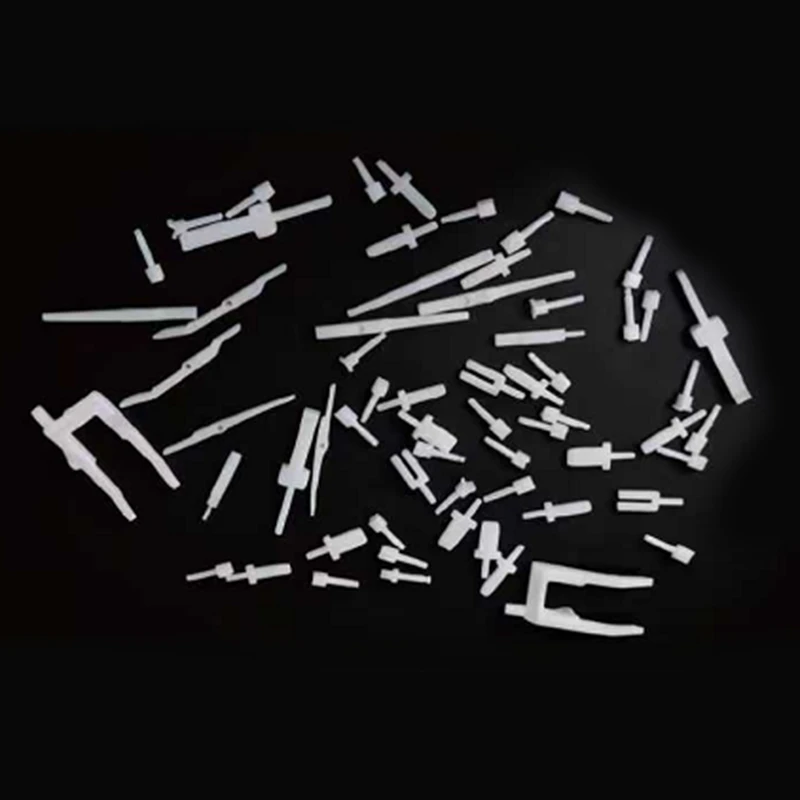
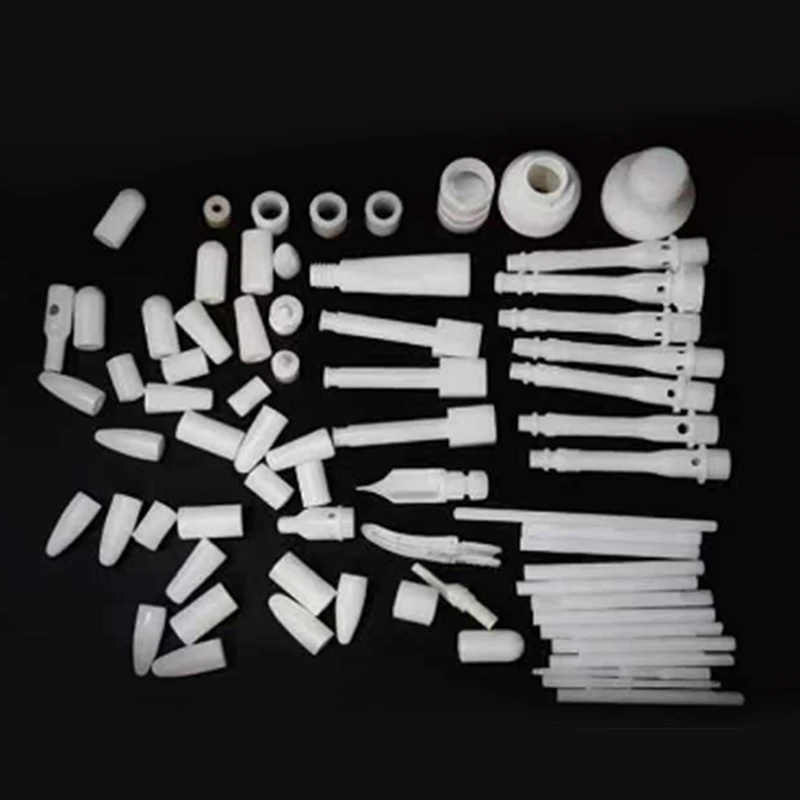
Contact Us for Your Robot Ceramic Joint Needs
If you're in the market for robot ceramic joints, or if you have specific requirements for custom - shaped joints, we'd love to hear from you. Our team is ready to assist you in finding the perfect solution for your robotic applications. Whether you need joints for a small - scale project or a large - scale industrial operation, we can provide the products and support you need.
References
- Smith, J. (2020). "Advances in Ceramic Materials for Robotic Applications." Journal of Robotics and Automation.
- Johnson, A. (2019). "The Impact of Geometric Design on the Performance of Robot Joints." International Journal of Mechanical Engineering.
- Brown, R. (2021). "Ceramic Components in Modern Robotic Systems." Robotics Today Magazine.