

Hey there! As an industry ceramics supplier, I've seen firsthand the importance of proper storage for these high - performance materials. Industry ceramics are used in a wide range of applications, from Ceramic Spray Nozzle in manufacturing processes to Textile Ceramic Parts and Textile Ceramic Yarn Guides in the textile industry. So, let's dive into what it takes to store these ceramics correctly.
General Storage Conditions
First off, temperature and humidity are key factors. Industry ceramics are sensitive to extreme conditions. In general, a stable temperature environment is ideal. Most industry ceramics should be stored at room temperature, around 20 - 25 degrees Celsius (68 - 77 degrees Fahrenheit). Fluctuations in temperature can cause thermal stress within the ceramic materials, which might lead to cracking or even breakage over time.
For humidity, it's crucial to keep it in check. High humidity can cause corrosion on some ceramic components, especially those with metal inserts or coatings. A relative humidity level of 40 - 60% is usually recommended. You can use dehumidifiers or humidifiers in the storage area to maintain this optimal range, depending on the local climate.
Protection from Physical Damage
Industry ceramics are often brittle, so protecting them from physical damage is a must. When storing, make sure they are placed in a secure location where they won't be knocked over or bumped. You can use padded storage containers or racks with soft linings to prevent scratches and chips.
If you're storing large or heavy ceramic pieces, proper support is essential. Uneven support can cause stress concentrations, which may result in fractures. For example, if you're storing large ceramic pipes, use cradles or supports at regular intervals to distribute the weight evenly.
Isolation from Chemicals
Ceramics can react with certain chemicals, so it's important to store them away from any potentially harmful substances. This includes acids, alkalis, and solvents. Even small amounts of chemical exposure can degrade the surface of the ceramics, affecting their performance and lifespan.
If your storage area is also used for storing chemicals, make sure there are clear separation barriers. You might want to use separate storage rooms or cabinets to keep the ceramics isolated. And always label the storage areas clearly to avoid any accidental mix - ups.
Handling During Storage
When handling industry ceramics during the storage process, it's important to be gentle. Wear gloves to prevent fingerprints and oils from your hands from transferring to the ceramics, as these can also cause long - term damage.
When moving ceramics in and out of storage, use proper lifting equipment if they're heavy. Avoid dropping or jostling them. If you need to stack ceramics, make sure they are stacked in a stable and proper manner. Place cardboard or other soft materials between the stacked pieces to prevent scratching and damage from contact.
Special Considerations for Different Types of Industry Ceramics
Oxide Ceramics
Oxide ceramics, such as alumina and zirconia, are widely used in industry. These ceramics are relatively stable but still need proper storage. They are resistant to many chemicals but can be affected by high - temperature steam. So, keep them away from areas with high - temperature steam sources.
Non - Oxide Ceramics
Non - oxide ceramics, like silicon carbide and silicon nitride, are known for their high strength and wear resistance. However, they can be more reactive with certain elements in the air, especially in high - humidity conditions. Store them in a dry and well - ventilated area to prevent oxidation.
Coated Ceramics
Ceramics with coatings, such as those with anti - wear or anti - corrosion coatings, require extra care. The coating can be easily damaged if not stored properly. Avoid contact with abrasive materials and make sure the storage environment doesn't contain any substances that could react with the coating.
Monitoring and Inspection
Regular monitoring and inspection of the stored industry ceramics are essential. Check for any signs of damage, such as cracks, chips, or discoloration. Also, monitor the temperature and humidity levels in the storage area on a regular basis to ensure they are within the recommended ranges.
If you notice any issues during the inspection, take immediate action. For example, if you find a cracked ceramic piece, isolate it from the others to prevent further damage. And if the temperature or humidity is out of range, adjust the environmental controls right away.
Documentation and Record - Keeping
It's a good idea to keep detailed records of the stored industry ceramics. This includes information such as the type of ceramic, the date of storage, the storage location, and any inspection results. Documentation can help you track the history of each ceramic piece and make informed decisions about its use and maintenance.
Conclusion
Proper storage of industry ceramics is crucial for maintaining their quality and performance. By following the guidelines on temperature, humidity, physical protection, chemical isolation, and handling, you can ensure that your ceramics remain in top - notch condition.
As an industry ceramics supplier, I understand the importance of these storage requirements. Whether you're using Ceramic Spray Nozzle, Textile Ceramic Parts, or Textile Ceramic Yarn Guides, getting the storage right will save you time and money in the long run.
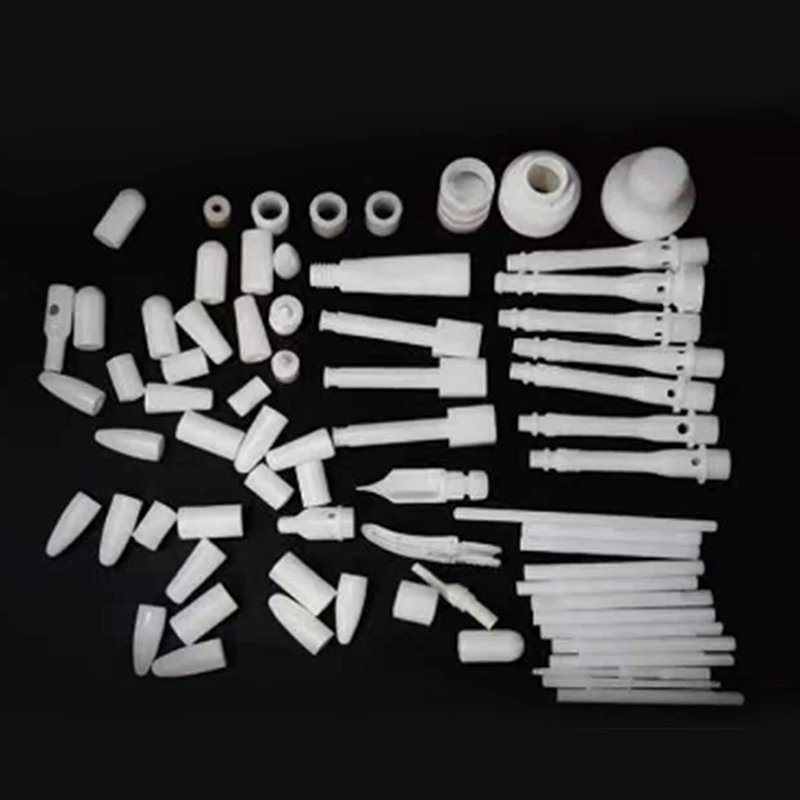

If you're in the market for high - quality industry ceramics or have any questions about storage or other aspects, feel free to reach out. Let's start a conversation about how we can meet your ceramic needs!
References
- "Ceramics: Structure, Properties, and Processing" by J. Reed
- "Handbook of Advanced Ceramics" edited by C. A. Rey