

Can ceramic electronic components be used in flexible circuits? This is a question that has intrigued many in the electronics industry. As a supplier of ceramic electronic components, I've delved deep into this topic to understand the possibilities and limitations.
The Basics of Ceramic Electronic Components
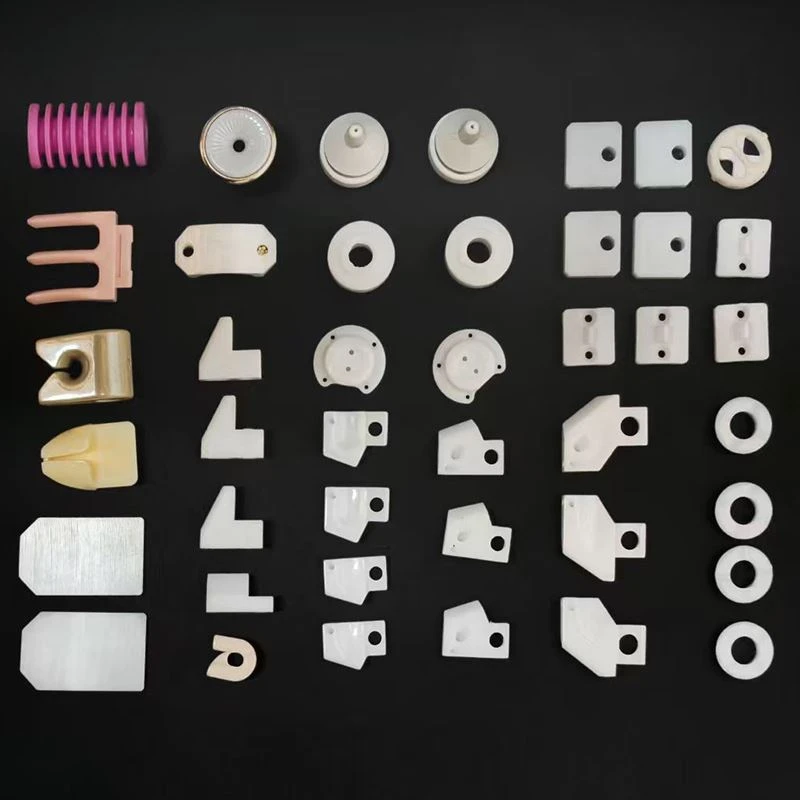
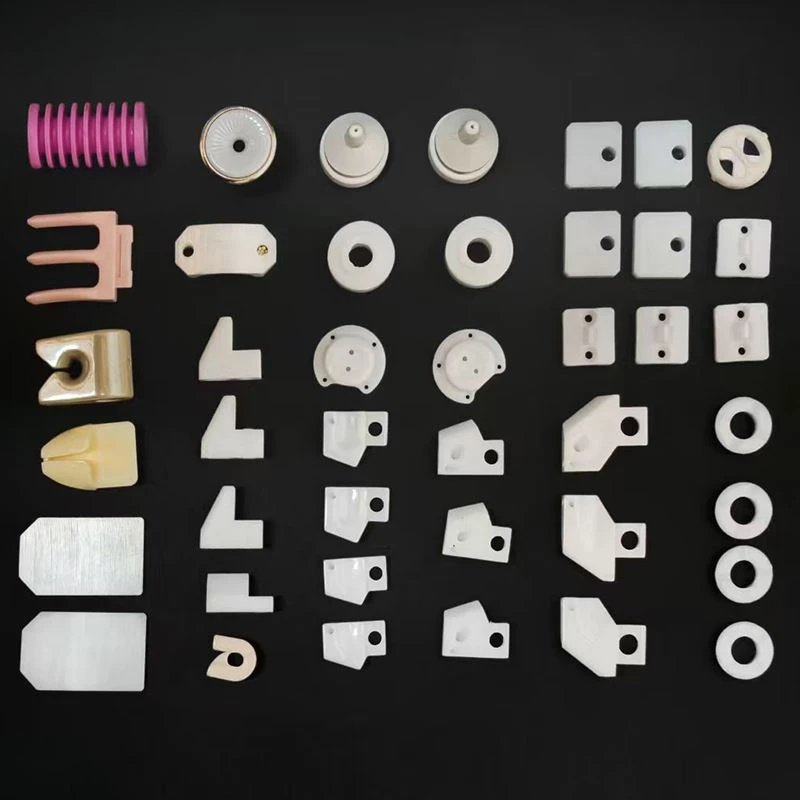
Ceramic electronic components have long been a staple in the electronics world. They offer a range of advantages such as high dielectric constant, excellent thermal stability, and good mechanical strength. These properties make them suitable for various applications, from simple capacitors in consumer electronics to complex components in aerospace and military systems.
One of the key types of ceramic components is Zirconia Ceramic Components. Zirconia ceramics are known for their high hardness, toughness, and chemical resistance. They can withstand high temperatures and harsh environments, making them ideal for applications where reliability is crucial.
Another important category is Corrosion Resistant Ceramic Parts. These parts are designed to resist the effects of corrosion, which is a major concern in many industries. They can be used in chemical processing, marine applications, and other environments where exposure to corrosive substances is common.
Industrial Ceramic Parts are also widely used in various industrial applications. They are known for their high strength, wear resistance, and electrical insulation properties. These parts can be found in machinery, automotive components, and other industrial equipment.
The Concept of Flexible Circuits
Flexible circuits, also known as flex circuits or flexible printed circuits (FPCs), are a type of printed circuit board that can be bent, folded, or twisted without losing their functionality. They are made from flexible materials such as polyimide or polyester, which allow them to conform to different shapes and sizes.
Flexible circuits offer several advantages over traditional rigid printed circuit boards. They are lighter, more compact, and can be designed to fit into tight spaces. They also have better resistance to vibration and shock, making them suitable for applications in harsh environments.
Challenges of Using Ceramic Electronic Components in Flexible Circuits
While ceramic electronic components offer many advantages, there are also some challenges associated with using them in flexible circuits. One of the main challenges is the brittleness of ceramics. Ceramics are generally hard and brittle materials, which means they can crack or break when subjected to bending or flexing.
Another challenge is the difference in thermal expansion coefficients between ceramics and the flexible substrate. When the temperature changes, the ceramic component and the flexible substrate may expand or contract at different rates, which can lead to stress and potential failure of the component.
In addition, the manufacturing process for ceramic components is often different from that of flexible circuits. Ceramic components are typically fabricated using high-temperature sintering processes, which may not be compatible with the flexible substrate materials.
Solutions and Innovations
Despite these challenges, there have been several solutions and innovations that have made it possible to use ceramic electronic components in flexible circuits. One approach is to use thin-film ceramic technology. Thin-film ceramics are deposited onto a flexible substrate using techniques such as sputtering or chemical vapor deposition. This allows the ceramic component to be integrated directly onto the flexible circuit, reducing the risk of cracking or breaking.
Another solution is to use flexible ceramic composites. These composites are made by combining ceramic particles with a flexible polymer matrix. The polymer matrix provides the flexibility, while the ceramic particles provide the desired electrical and mechanical properties.
In addition, advancements in manufacturing processes have made it possible to produce ceramic components with more flexibility. For example, some manufacturers are using laser machining techniques to create intricate patterns and shapes in ceramic components, which can improve their flexibility.
Applications of Ceramic Electronic Components in Flexible Circuits
There are several applications where ceramic electronic components can be used in flexible circuits. One example is in wearable electronics. Wearable devices such as smartwatches, fitness trackers, and medical monitors require flexible circuits that can conform to the shape of the body. Ceramic components can be used in these devices to provide functions such as sensing, communication, and power management.
Another application is in automotive electronics. Flexible circuits are increasingly being used in automotive applications to reduce weight and improve reliability. Ceramic components can be used in these circuits to provide functions such as engine control, lighting, and infotainment.
In the aerospace and military industries, flexible circuits are used in applications where space and weight are critical. Ceramic components can be used in these circuits to provide high-performance functions such as radar, communication, and navigation.
Conclusion
In conclusion, while there are challenges associated with using ceramic electronic components in flexible circuits, there are also solutions and innovations that have made it possible. As a supplier of ceramic electronic components, I am excited about the potential of this technology and the opportunities it presents for the electronics industry.
If you are interested in using ceramic electronic components in your flexible circuit applications, I encourage you to contact me to discuss your specific requirements. We can work together to find the best solutions for your needs and help you achieve your goals.
References
- "Ceramic Materials for Electronic Applications" by John B. Wachtman Jr.
- "Flexible Printed Circuits: Design, Manufacturing, and Assembly" by Richard A. Rigsbee
- "Advances in Ceramic Materials" by R. C. Bradt, G. W. Huber, and D. P. H. Hasselman