

Hey there! As an industry ceramics supplier, I've seen my fair share of ceramic failures. But don't worry, I'm here to share some tips on how to prevent those pesky issues and keep your ceramic products in top-notch condition.
First off, let's talk about what causes ceramic failure. A lot of times, it has to do with the environment the ceramics are in. High temperatures, extreme pressure, and corrosive chemicals can all take a toll on ceramic materials over time. For example, if you're using Ceramic Spray Nozzle in a high-pressure spraying system, the constant force of the sprayed material can wear down the nozzle, causing it to fail.
One way to prevent this kind of failure is to choose the right type of ceramic for the job. There are different types of ceramics, each with its own unique properties. Alumina ceramics, for instance, are known for their high hardness and wear resistance. They're great for applications where there's a lot of friction or abrasion, like in Textile Ceramic Parts. On the other hand, zirconia ceramics are more tough and have better fracture resistance, making them suitable for applications where there might be sudden impacts or stresses.
Another important aspect is proper installation. You'd be surprised how many ceramic failures are due to incorrect installation. When installing ceramic components, it's crucial to follow the manufacturer's instructions carefully. Make sure the parts are properly aligned and tightened. If they're not, it can lead to uneven stress distribution, which can cause cracks and eventually failure. For example, when installing Textile Ceramic Yarn Guides, they need to be positioned precisely so that the yarn can pass through smoothly without causing excessive wear on the guides.
Maintenance is also key to preventing ceramic failure. Regular inspections can help you catch any potential issues early on. Look for signs of wear, such as cracks, chips, or discoloration. If you notice any of these problems, it's important to address them right away. Sometimes, a simple repair or replacement can prevent a more serious failure down the road. For example, if you see a small crack in a ceramic part, you might be able to repair it with a suitable ceramic adhesive. But if you ignore it, the crack could grow and cause the part to break completely.
In addition to visual inspections, you might also want to perform some non-destructive testing. Ultrasonic testing, for example, can be used to detect internal flaws in ceramics that aren't visible to the naked eye. This can give you a better idea of the overall health of your ceramic components and help you make more informed decisions about maintenance and replacement.
The storage conditions of ceramic products also matter. Ceramics should be stored in a dry, clean environment. Moisture can cause corrosion and weaken the ceramic material over time. If you're storing ceramic parts for a long period, make sure they're properly protected. You can use protective coatings or packaging materials to prevent damage.
Now, let's talk about handling. When handling ceramics, it's important to be gentle. They're brittle materials, and even a small impact can cause them to crack or break. Use proper handling tools, like gloves and soft-grip tongs, to avoid scratching or damaging the surface. And when transporting ceramics, make sure they're well-packaged and cushioned to prevent any shocks or vibrations.
Training your staff is another crucial step. If your employees are working with ceramic products, they need to know how to handle, install, and maintain them properly. Provide them with training sessions on the specific ceramic products you're using, including the potential failure modes and how to prevent them. This can go a long way in reducing the risk of ceramic failure.
In some cases, you might also want to consider using protective coatings or linings on your ceramic products. These can provide an extra layer of protection against wear, corrosion, and other environmental factors. There are different types of coatings available, depending on the specific application and the type of ceramic. For example, a ceramic coating can be applied to a ceramic nozzle to increase its wear resistance and extend its lifespan.

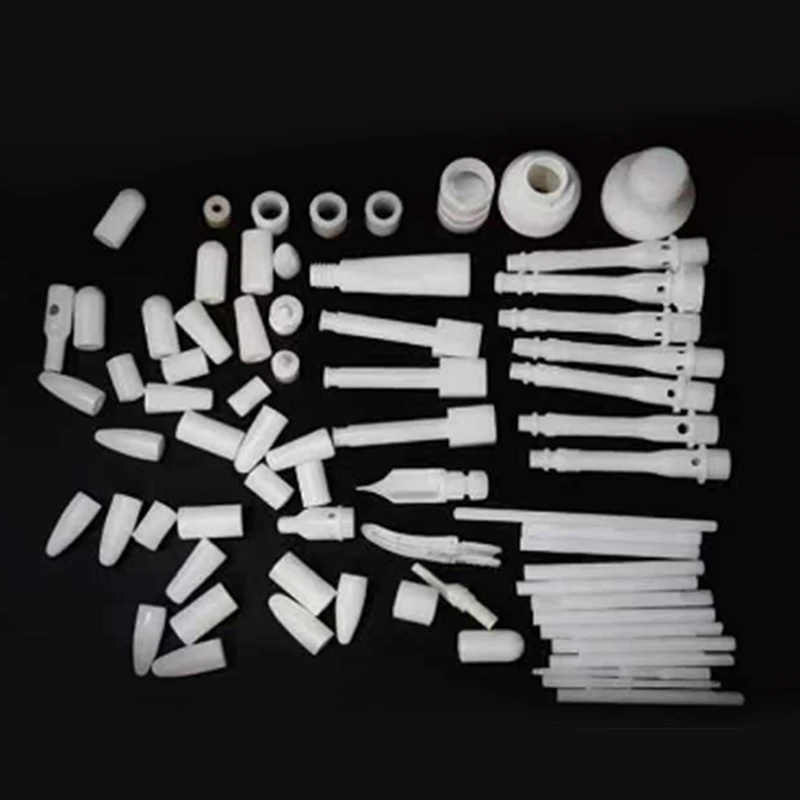
Finally, it's important to work with a reliable supplier. As an industry ceramics supplier, I know how important it is to provide high-quality products. A good supplier will not only offer you the right type of ceramics for your application but also provide you with technical support and advice on how to prevent failure. They can help you choose the best materials, offer installation and maintenance tips, and even assist you in troubleshooting any issues that might arise.
If you're interested in purchasing industry ceramics or have any questions about preventing ceramic failure, feel free to reach out. We're here to help you find the right solutions for your needs and ensure the long-term success of your ceramic applications.
References
- "Ceramics: Structure, Properties, and Applications" by John B. Wachtman
- "Handbook of Advanced Ceramics" edited by C. A. Handwerker and S. J. Bennison