

As a supplier of automation ceramic parts, I've seen firsthand how the design of these components can have a huge impact on their functionality. In this blog post, I'll share some insights into how different design elements can affect the performance of automation ceramic parts, and why getting the design right is crucial for achieving optimal results.
Material Selection
The first step in designing automation ceramic parts is choosing the right material. Ceramics come in a wide range of types, each with its own unique properties and characteristics. For example, alumina ceramics are known for their high hardness, wear resistance, and electrical insulation properties, making them a popular choice for applications such as bearings, seals, and insulators. On the other hand, zirconia ceramics offer excellent toughness, fracture resistance, and chemical stability, making them ideal for use in cutting tools, dental implants, and other high-stress applications.
When selecting a ceramic material for a specific application, it's important to consider factors such as the operating environment, the required mechanical properties, and the cost. For example, if the part will be exposed to high temperatures or corrosive chemicals, a material with high thermal and chemical resistance may be required. Similarly, if the part needs to withstand high loads or stresses, a material with high strength and toughness may be necessary.
Shape and Geometry
The shape and geometry of an automation ceramic part can also have a significant impact on its functionality. For example, a part with a complex shape or geometry may require more precise manufacturing processes, which can increase the cost and lead time. Additionally, the shape and geometry of a part can affect its mechanical properties, such as its strength, stiffness, and fatigue resistance.
One important consideration when designing the shape and geometry of an automation ceramic part is the use of features such as holes, slots, and grooves. These features can be used to improve the part's functionality, such as by providing a means of attachment or by allowing for the flow of fluids or gases. However, it's important to ensure that these features are designed in a way that does not compromise the part's mechanical properties or structural integrity.
Another important consideration is the use of surface finishes. The surface finish of a part can affect its friction, wear resistance, and corrosion resistance. For example, a smooth surface finish can reduce friction and wear, while a rough surface finish can increase grip and traction. Additionally, a surface finish can be used to improve the part's aesthetic appearance.
Tolerances and Precision
Tolerances and precision are critical factors in the design of automation ceramic parts. Tolerances refer to the allowable variation in the dimensions of a part, while precision refers to the degree of accuracy with which a part can be manufactured. In general, the tighter the tolerances and the higher the precision, the better the part's functionality and performance.
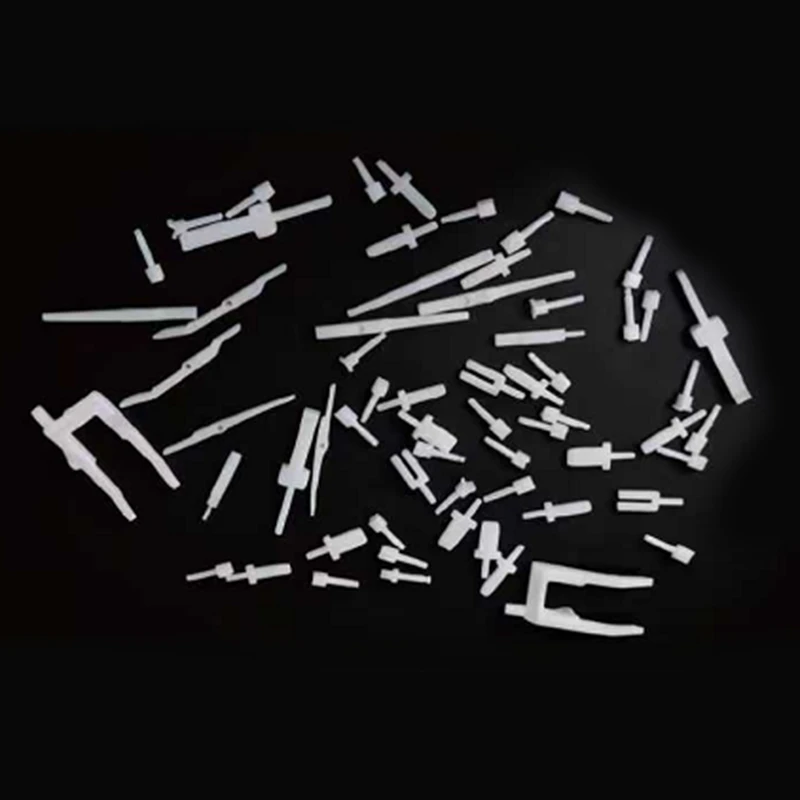
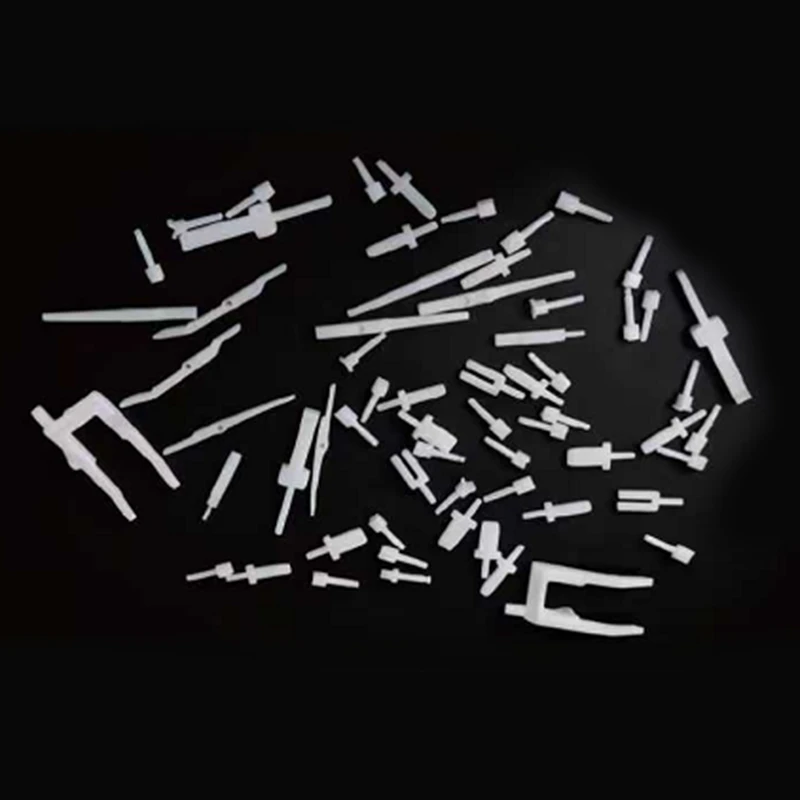
However, achieving tight tolerances and high precision can be challenging, especially when working with ceramics. Ceramics are brittle materials that can be difficult to machine and shape, and they are also sensitive to changes in temperature and humidity. As a result, it's important to work with a manufacturer who has experience working with ceramics and who has the necessary equipment and expertise to achieve the required tolerances and precision.
Functionality and Performance
The ultimate goal of designing automation ceramic parts is to ensure that they meet the required functionality and performance specifications. This requires a thorough understanding of the application and the specific requirements of the part. For example, if the part is used in a high-speed application, it may need to have a high degree of balance and stability to prevent vibration and noise. Similarly, if the part is used in a precision application, it may need to have a high degree of accuracy and repeatability.
In addition to meeting the required functionality and performance specifications, it's also important to consider the long-term reliability and durability of the part. Ceramics are known for their excellent wear resistance, corrosion resistance, and thermal stability, which make them ideal for use in harsh environments. However, it's still important to design the part in a way that minimizes the risk of failure and ensures that it will perform reliably over its intended lifespan.
Conclusion
In conclusion, the design of automation ceramic parts plays a crucial role in their functionality and performance. By carefully selecting the right material, designing the shape and geometry, controlling the tolerances and precision, and ensuring that the part meets the required functionality and performance specifications, it's possible to create high-quality automation ceramic parts that will perform reliably and efficiently in a wide range of applications.
If you're in the market for automation ceramic parts, I encourage you to contact us to learn more about our products and services. We have a team of experienced engineers and technicians who can work with you to design and manufacture custom ceramic parts that meet your specific requirements. Whether you need Textile Ceramic Parts, Ceramic Parts for Robots, or Ceramic Spray Nozzle, we have the expertise and resources to deliver the solutions you need.
References
- "Ceramics: Structure, Properties, and Applications" by W. D. Kingery, H. K. Bowen, and D. R. Uhlmann
- "Engineering Ceramics: Properties, Processing, and Applications" by J. S. Reed
- "Ceramic Materials: Science and Engineering" by W. D. Kingery, H. K. Bowen, and D. R. Uhlmann