

Hey there! I'm a supplier of Industrial Ceramic Parts, and today I'm gonna chat about the common applications of these nifty components. Industrial ceramic parts are super versatile, and they play a crucial role in a whole bunch of industries. Let's dive right in and explore where they're used.
1. Electronics Industry
In the electronics world, precision is key, and that's where industrial ceramic parts shine. Take capacitors, for example. Ceramic capacitors are widely used because they offer high capacitance in a small package. They can handle high frequencies and have excellent stability. These capacitors are found in all sorts of electronic devices, from smartphones to computers. You can check out our Precision Ceramic Parts page to see some of the high - quality parts we offer for electronics applications.
Another important application is in substrates. Ceramic substrates are used to mount and interconnect electronic components. They have good thermal conductivity, which helps in dissipating heat from the components. This is especially important in high - power electronics, like power amplifiers and LED lighting. The heat resistance of ceramic substrates ensures that the electronic components can operate at optimal temperatures, increasing their lifespan and performance.
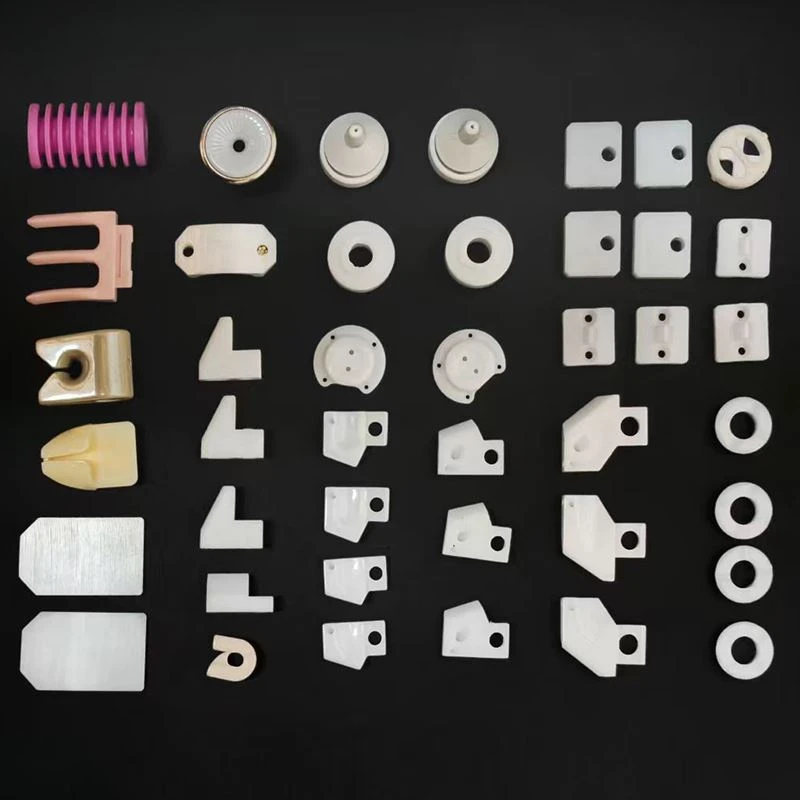
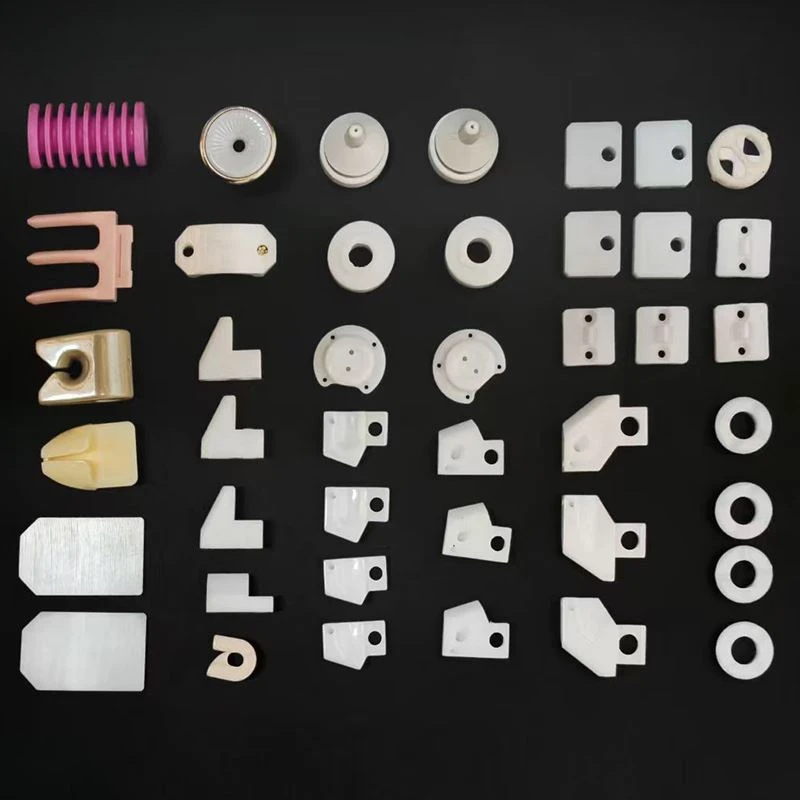
2. Automotive Industry
The automotive industry is constantly looking for ways to improve performance, efficiency, and safety. Industrial ceramic parts are a big help in achieving these goals. One common application is in spark plugs. Ceramic insulators in spark plugs are essential for proper ignition. They can withstand high temperatures and electrical stresses, ensuring a reliable spark. Our Heat Resistant Ceramic Parts are ideal for such high - temperature applications in the automotive sector.
Ceramic bearings are also becoming more popular in cars. They are lighter than traditional steel bearings, which reduces the overall weight of the vehicle and improves fuel efficiency. Additionally, ceramic bearings have a lower coefficient of friction, which means less energy is wasted in the form of heat. This leads to smoother operation and less wear and tear on the engine components.
3. Aerospace Industry
In the aerospace industry, the requirements are extremely high. Components need to be lightweight, strong, and able to withstand harsh environments. Industrial ceramic parts fit the bill perfectly. For example, ceramic matrix composites (CMCs) are used in aircraft engines. These composites offer high strength at high temperatures, which is crucial for engine components like turbine blades. CMCs can withstand the extreme heat generated by the combustion process, allowing the engine to operate more efficiently.
Ceramic thermal barrier coatings are also used on aircraft components. These coatings help to protect the underlying metal from high temperatures, reducing the risk of thermal fatigue and extending the lifespan of the parts. Our Industrial Ceramic Components are designed to meet the strict standards of the aerospace industry.
4. Medical Industry
The medical field has very specific requirements for materials, and industrial ceramic parts are a great choice. Zirconia ceramic components, for instance, are used in dental implants. Zirconia is biocompatible, which means it doesn't cause any adverse reactions in the human body. It also has excellent strength and aesthetics, making it a popular choice for dental restorations. You can learn more about our Zirconia Ceramic Components on our website.
Ceramic materials are also used in medical devices such as surgical instruments. They are corrosion - resistant and can be easily sterilized, which is essential for maintaining a sterile environment in the operating room. Additionally, ceramic parts can be made with high precision, ensuring accurate and reliable performance in medical procedures.
5. Manufacturing Industry
In the manufacturing industry, industrial ceramic parts are used in a variety of ways. For example, ceramic cutting tools are widely used in machining operations. They are extremely hard and can maintain their sharpness for a long time, which improves the efficiency of the machining process. Ceramic cutting tools can cut through hard materials like steel and titanium with ease, reducing the need for frequent tool changes.
Ceramic molds are also used in casting processes. They can withstand high temperatures and have good dimensional stability, which ensures that the cast parts have accurate shapes and sizes. Our Industrial Ceramic Parts are suitable for a wide range of manufacturing applications, whether it's small - scale production or large - scale industrial manufacturing.
6. Energy Industry
The energy industry, including both renewable and non - renewable energy sources, relies on industrial ceramic parts. In the solar energy sector, ceramic insulators are used in photovoltaic cells. These insulators help to prevent electrical short - circuits and ensure the efficient transfer of electricity. They are also resistant to environmental factors such as moisture and UV radiation, which increases the lifespan of the solar panels.
In the oil and gas industry, ceramic parts are used in pumps and valves. They can withstand the harsh conditions of high pressure, high temperature, and corrosive fluids. Ceramic valves, for example, have a longer lifespan than traditional metal valves, reducing maintenance costs and downtime.
Why Choose Our Industrial Ceramic Parts?
We take pride in offering high - quality industrial ceramic parts. Our parts are made from the best materials and are manufactured using advanced techniques to ensure precision and reliability. Whether you need parts for a specific application or are looking for custom - made components, we've got you covered.
If you're interested in our products and want to discuss your requirements, don't hesitate to reach out. We're here to help you find the right industrial ceramic parts for your needs. Whether it's for a small project or a large - scale industrial application, we can provide you with the solutions you're looking for.
References
- "Ceramics in Engineering: Properties, Processing, and Applications" by David W. Richerson
- "Handbook of Advanced Ceramics: Materials, Applications, Processing" edited by Susumu Saito, Mitsuru Miyake, and Kiyoshi Niihara