

Yo, what's up! I'm a supplier of Ceramic Yarn Guides, and today I wanna chat about the compressive strength of these nifty little things. If you're in the textile industry or just curious about ceramics, you're in the right place. Let's dive in!
What's Compressive Strength Anyway?
Compressive strength is basically how much pressure a material can handle before it breaks or deforms. Think of it like a weightlifter. How much weight can they lift before they buckle under the pressure? That's the compressive strength, but for materials. In the world of Ceramic Yarn Guides, understanding this is super important because they gotta withstand a whole lot of stress during the yarn - guiding process.
When yarn is being spun, wound, or transferred, it rubs against the yarn guide. This creates friction and pressure. If the ceramic yarn guide doesn't have enough compressive strength, it might crack or chip. And that's a big no - no because a damaged yarn guide can mess up the whole textile production process. It can cause uneven yarn tension, breakage, and overall poor - quality output.
Measuring the Compressive Strength of Ceramic Yarn Guides
Measuring the compressive strength of a ceramic yarn guide is a bit of a science. Usually, a specialized testing machine is used. The ceramic yarn guide is placed between two plates, and then pressure is gradually applied until the guide fails. The maximum pressure it can handle before failure is its compressive strength.
The unit used to measure compressive strength is usually megapascals (MPa). A higher MPa value means the ceramic yarn guide can withstand more pressure. For high - quality ceramic yarn guides, the compressive strength can range from several hundred MPa to over a thousand MPa.
But it's not just about having a high number on paper. The real - world performance of the ceramic yarn guide also depends on other factors. For example, the shape of the guide. If it has a complex shape, stress might be concentrated in certain areas, making it more likely to break even if it has a high overall compressive strength.
Factors Affecting Compressive Strength
1. Ceramic Material
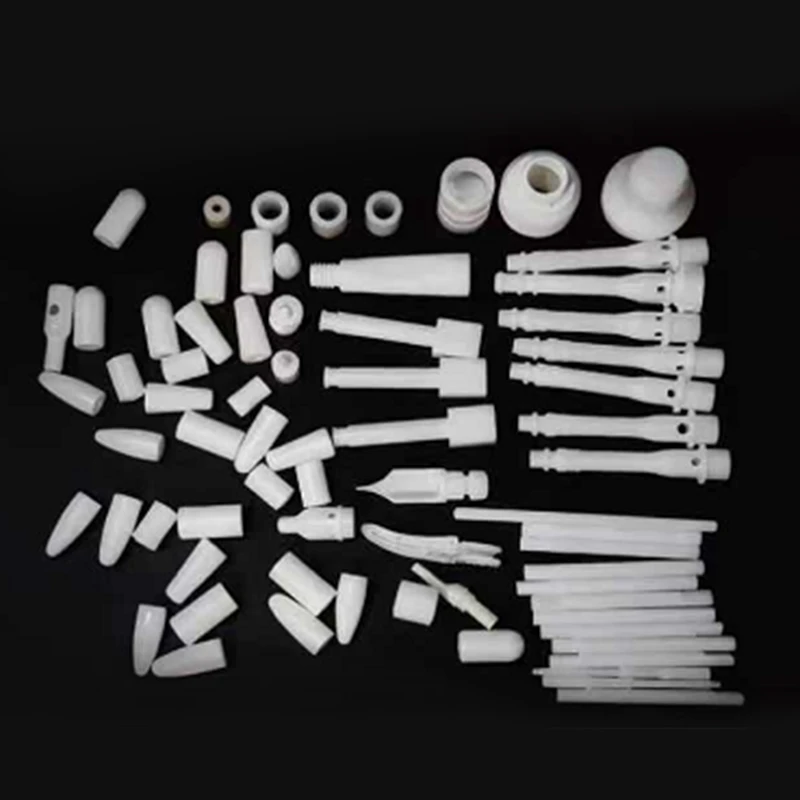
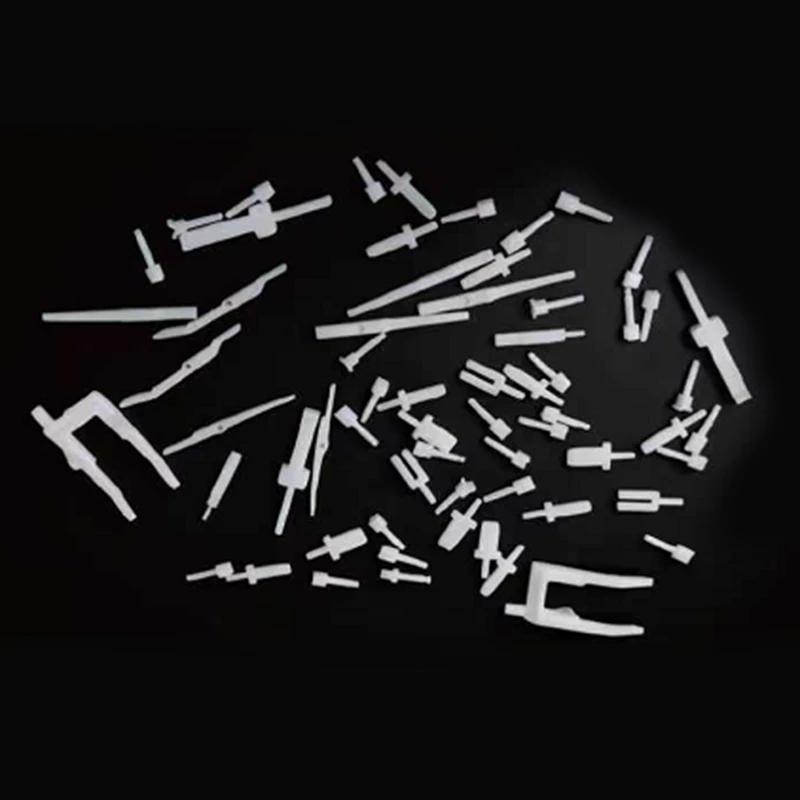
There are different types of ceramics used to make yarn guides, like alumina, zirconia, and silicon carbide. Each material has its own properties and compressive strength. Alumina is one of the most commonly used materials. It's relatively inexpensive, has good wear resistance, and decent compressive strength. Zirconia, on the other hand, has a higher compressive strength and is more fracture - tough. Silicon carbide is known for its high hardness and excellent thermal conductivity, which can also contribute to its ability to withstand pressure.
2. Manufacturing Process
The way the ceramic yarn guide is made also plays a huge role. If the manufacturing process is not precise, there might be internal defects like pores or cracks in the ceramic. These defects can weaken the material and reduce its compressive strength. For example, if the ceramic is not properly sintered, it won't be as dense as it should be, and this can lead to a lower compressive strength.
3. Surface Finish
The surface finish of the ceramic yarn guide can affect its compressive strength. A rough surface can cause stress concentrations, making it more likely for the guide to crack under pressure. A smooth surface, on the other hand, distributes the stress more evenly, allowing the guide to better withstand the pressure.
Why Compressive Strength Matters in Yarn - Guiding
In the textile industry, the efficiency and quality of production depend a lot on the performance of the yarn guides. A ceramic yarn guide with high compressive strength can last longer. It can handle the constant friction and pressure of the yarn without breaking easily. This means less downtime for replacing damaged guides, which saves both time and money for textile manufacturers.
Moreover, a high - strength ceramic yarn guide can ensure a more consistent yarn tension. When the guide can withstand the pressure without deforming, the yarn moves smoothly through the process. This results in a better - quality end product, whether it's a piece of fabric or a yarn spool.
Our Ceramic Yarn Guides
As a supplier of Ceramic Yarn Guides, we take compressive strength seriously. We use high - quality ceramic materials and state - of - the - art manufacturing processes to ensure that our guides have the best possible compressive strength. Our team of experts carefully tests each guide to make sure it meets the highest standards.
Whether you're working with a high - speed spinning machine or a precision winding system, our Ceramic Yarn Guides can handle the pressure. They are designed to withstand the rigors of continuous use in the textile industry.
If you're also interested in other ceramic products, we have a wide range of options. Check out our Ceramic Parts for Robots, which are crucial for the smooth operation of robotic systems. Our Automation Ceramic Parts are perfect for automated manufacturing processes. The Robot Ceramic Joints offer high precision and durability. And if you need a Ceramic Spray Nozzle, we've got you covered too. Of course, don't forget to take a look at our Ceramic Yarn Guide products page for more details.
Let's Connect!
If you're in the market for high - quality Ceramic Yarn Guides or other ceramic products, we'd love to talk to you. Whether you have questions about compressive strength, need a custom - made guide, or just want to know more about our products, don't hesitate to reach out. We're here to help you find the best ceramic solutions for your needs. Hit us up and let's start a great business relationship!
References
- "Ceramics for Engineering Applications" by David W. Richerson
- "Textile Machinery Manual" - a compilation of industry - specific knowledge about textile equipment and components.