

Hey there! As a supplier of Precision Ceramic Parts, I'm super stoked to chat about the awesome uses of these parts in cameras. Cameras have come a long way, and precision ceramic parts play a crucial role in making them work better and last longer.
Let's start with the basics. Precision ceramic parts are made from high - quality ceramics that are engineered to have very specific properties. These parts are known for their precision in size, shape, and performance. They're used in cameras because they offer several advantages over other materials.
One of the key areas where precision ceramic parts are used is in the lens system. Lenses are the heart of a camera, and getting the right focus and clarity is essential. Ceramic parts can be used in lens mounts. A lens mount is the part that attaches the lens to the camera body. The Precision Ceramic Parts used in lens mounts provide a stable and accurate connection. They have excellent dimensional stability, which means they won't warp or change shape over time, even with temperature and humidity variations. This ensures that the lens stays in the right position, resulting in sharp and clear images.
Another important application is in the shutter mechanism. The shutter is what controls the amount of light that enters the camera. Precision ceramic components are used to make the shutter blades. Precision Ceramic Components offer high wear resistance. The shutter blades open and close thousands of times during the life of a camera. If they were made of a less - durable material, they would quickly wear out, leading to inconsistent exposure and image quality. But with ceramic blades, they can withstand the constant movement and friction, providing reliable performance for a long time.
In the autofocus system, ceramic parts also have a significant role. Autofocus is all about quickly and accurately adjusting the lens to get a sharp image. Ceramic sensors and actuators are used in this system. The sensors can detect the distance to the subject, and the actuators move the lens elements to achieve the right focus. Zirconia ceramic parts are particularly useful here. Zirconia Ceramic Parts have good electrical insulation properties, which are important for the proper functioning of the electronic components in the autofocus system. They also have high mechanical strength, allowing them to handle the forces involved in moving the lens elements without breaking.
Now, let's talk about the benefits of using precision ceramic parts in cameras in more detail. First off, as I mentioned earlier, their wear resistance is a game - changer. Cameras are used in all sorts of environments, and parts are constantly exposed to friction and abrasion. Wear Resistant Ceramic Parts can withstand these conditions much better than traditional materials like metal or plastic. This means that the camera will have a longer lifespan and require less maintenance.
Secondly, ceramic parts have excellent thermal stability. Cameras generate heat, especially when they're used for long periods or in high - performance situations. If the parts inside the camera expand or contract due to temperature changes, it can affect the alignment of the lens and other components. Precision ceramic parts have a very low coefficient of thermal expansion, which means they stay stable even when the temperature fluctuates. This helps to maintain the accuracy and reliability of the camera.
Thirdly, ceramics are lightweight. In today's world, portability is a big deal. Cameras are designed to be as light as possible so that they're easy to carry around. Using ceramic parts instead of heavier materials like metal can significantly reduce the weight of the camera without sacrificing performance.
When it comes to the manufacturing of these precision ceramic parts, it's a highly specialized process. We use advanced machining techniques to ensure that the parts meet the strictest tolerances. This precision is crucial because even the slightest deviation can affect the performance of the camera. We also have a quality control system in place to make sure that every part we produce is up to the mark.
Now, let's take a look at some specific types of zirconia ceramic components used in cameras. Zirconia Ceramic Components are known for their toughness and strength. They can be used in camera bodies as well. Some high - end cameras use zirconia ceramic in the outer casing. It not only looks sleek and stylish but also provides protection against scratches and impacts.
In the image sensor area, zirconia ceramic parts can be used to create a stable and precise housing for the sensor. The image sensor is one of the most important parts of a camera, and any vibration or misalignment can lead to blurry images. Zirconia ceramic components can help to isolate the sensor from external vibrations and ensure that it stays in the right position for optimal performance.
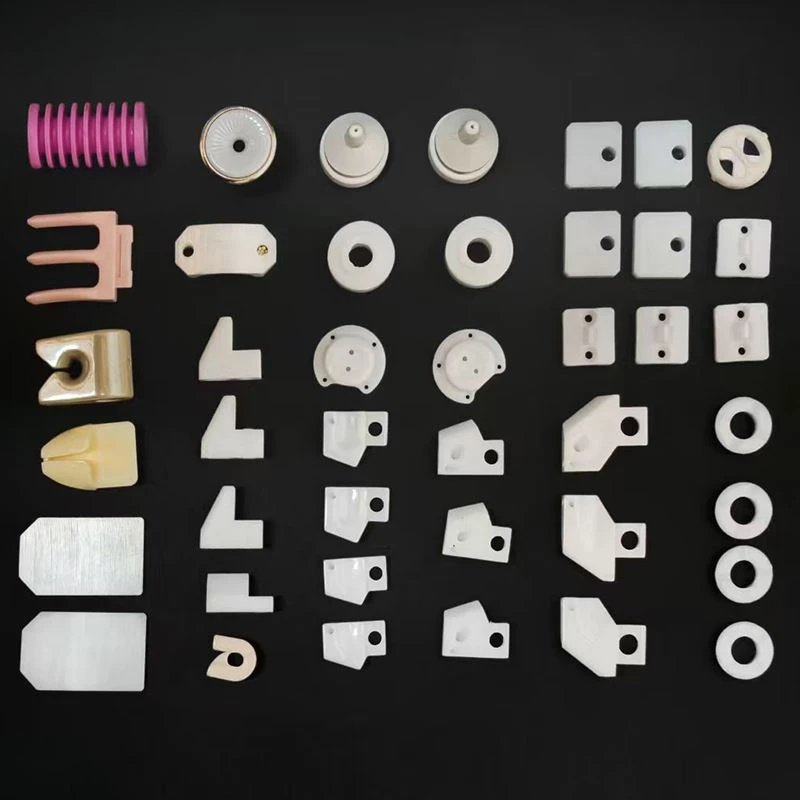
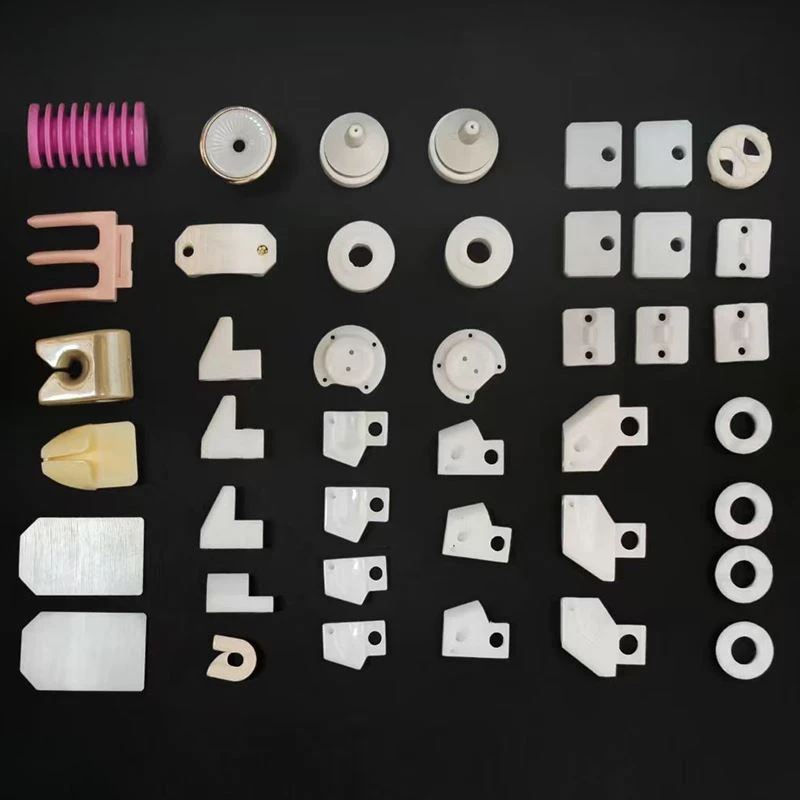
If you're in the camera manufacturing business or if you're looking to upgrade your camera with high - quality parts, we're here to help. Our precision ceramic parts are designed to meet the highest standards of quality and performance. Whether you need parts for a consumer camera or a professional - grade device, we've got you covered.
We understand that every camera is different, and you may have specific requirements. That's why we offer custom - made precision ceramic parts. We can work with you to design and manufacture parts that fit your exact needs.
So, if you're interested in learning more about our precision ceramic parts, or if you want to discuss a potential purchase, don't hesitate to reach out. We're always happy to have a chat and see how we can help you take your camera to the next level.
In conclusion, precision ceramic parts are an essential part of modern cameras. They offer a range of benefits, from wear resistance and thermal stability to lightweight design. As a supplier, we're committed to providing the best - quality parts to help you create cameras that are reliable, high - performing, and long - lasting.
References
- Camera Technology Handbook
- Ceramic Materials in High - Tech Applications