

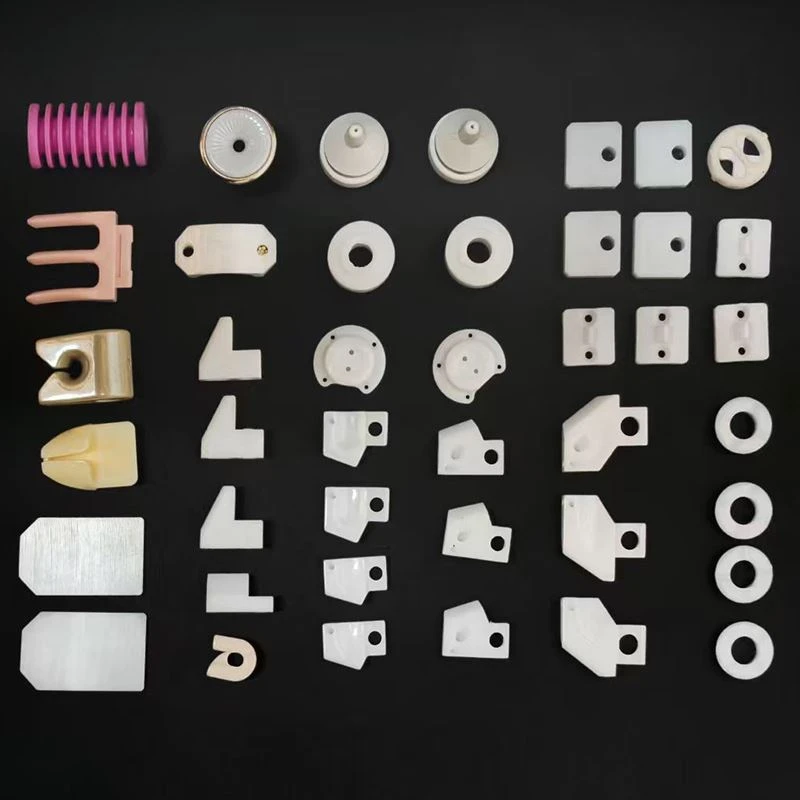
Wear Resistant Ceramic Parts are zirconia-based components used where friction or abrasive media gradually remove material from a working surface. Typical locations include textile machinery, photovoltaic equipment, automation transmissions, robot assemblies and industrial supports with defined wear zones.
Core Advantages
3Y Zirconia for Severe Wear Zones
Standard production uses 3Y zirconia for its hard, wear-resistant surface. Under frequent sliding, dust exposure or abrasive contact, guide tracks and working edges lose material more slowly than softer metal or polymer surfaces.
Standard Tolerance of ±0.01 mm
The standard precision grade is ±0.01 mm. A controlled starting geometry is important where clearance governs tracking, rotation or material guidance because it helps keep contact on the intended wear zone rather than adjacent edges.
Combined Wear and Chemical Resistance
The ceramic combines wear resistance with resistance to acids, alkalis and oxidation. In abrasive areas that also contain moisture or chemical media, the working surface does not depend on a plated layer that can wear through and expose a different base material.
Customization
- Wear-Grade Material
3Y zirconia is standard, while higher-wear ceramic grades are available when abrasion is the main failure mode in the application.
- Wear-Part Geometry
Standard wear-resistant structures, irregular parts and thin-wall components can all be made to drawing. Bores, grooves, sleeves, guide paths and local wear faces can be incorporated into the part shape.
- Working-Surface Configuration
Slots, guide surfaces, contact faces, edge profiles and mounting interfaces can be customized. Grinding and other finishing steps are applied after sintering around the actual wear zone and assembly datum.
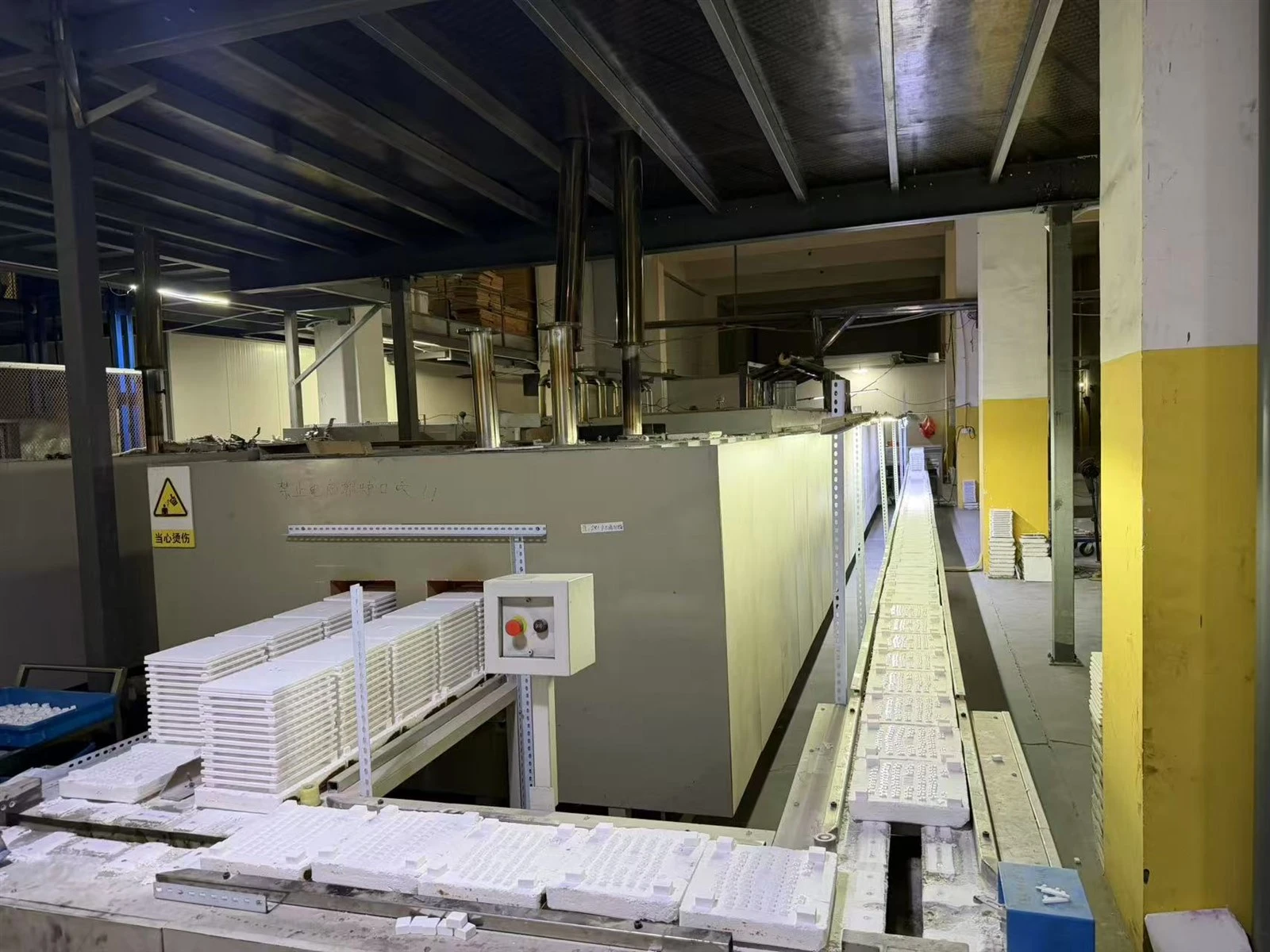
Product Parameters & Customization Details
|
Item |
Parameters & Customization Details |
|
Custom Material |
Standard 3Y zirconia ceramic; high wear-resistant ceramic materials available upon request |
|
Structural Design |
Mature mass production for standard wear-resistant structural parts; irregular and thin-wall wear-resistant parts can be customized according to drawings |
|
Precision Grade |
Standard tolerance ±0.01mm; ultra-high precision machining tolerance customization available |
|
Performance Features |
High wear resistance, electrical insulation, oxidation resistance, acid and alkali resistance; performance enhancement customization available according to wear conditions |
|
Production Mode |
Large-scale mass production supply; supports small-batch prototyping and non-standard wear-resistant component customization with customer-supplied materials |
Quality Control
Inspection is carried out after forming and again after sintering before the wear surfaces are finish-machined. Distortion, cracks and edge damage are screened out at this point, particularly when the working track is narrow or close to an edge.
Finished checks are made on the wear interface itself: guide faces, grooves, bores, contact tracks, mounting features and dimensions that set operating clearance. Chips and edge damage are treated as functional issues and checked together with dimensional results.
All finished wear parts undergo 100% inspection before packing, and third-party product inspection is supported. Shipment is released only after the specified dimensions, appearance, quantity and cleanliness have been confirmed.
FAQ
Q: What are the payment terms for custom Wear Resistant Ceramic Parts?
A: 50% deposit and 50% balance.
Q: How are wear-resistant ceramic parts packed?
A: Packaging is selected according to part shape and the agreed protection requirement.
Q: Can standard zirconia wear parts also provide electrical insulation?
A: Yes.
Q: Can customer-supplied ceramic material be processed for non-standard wear parts?
A: Yes.
Hot Tags: wear resistant ceramic parts, China wear resistant ceramic parts manufacturers, suppliers, factory, Ceramic Electronic Components, ceramic parts, Heat Resistant Ceramic Parts, Industrial Ceramic Parts, Precision Ceramic Components, Zirconia Ceramic Components


