

In the dynamic landscape of modern dentistry, precision ceramic components have emerged as revolutionary elements, significantly enhancing the quality, functionality, and aesthetics of dental treatments. As a leading supplier of Precision Ceramic Components, I've witnessed firsthand the transformative impact these materials have on the dental industry. This blog will delve into the various types of precision ceramic components used in dentistry, their unique properties, and the reasons for their increasing popularity.
Dental Implants: A Foundation of Precision
Dental implants are a prime example of where precision ceramic components shine. Zirconia, a type of ceramic material, has become a preferred choice for dental implants due to its exceptional biocompatibility, strength, and aesthetic appeal. Unlike traditional titanium implants, zirconia implants are white, closely matching the color of natural teeth, making them virtually indistinguishable when in place.
The biocompatibility of zirconia ceramic is crucial as it reduces the risk of allergic reactions and inflammation in the surrounding gum tissue. This feature makes it an ideal material for patients with sensitive oral tissues. Additionally, zirconia's high strength and fracture resistance ensure the long - term stability of the implant, allowing it to withstand the forces of chewing and biting. Our Zirconia Ceramic Parts are manufactured with the highest precision, ensuring a perfect fit and optimal performance for dental implants.
Crowns and Bridges: Aesthetic and Functional Restoration
Precision ceramic components are also extensively used in the fabrication of dental crowns and bridges. Ceramic crowns offer superior aesthetics, as they can be precisely color - matched to the patient's natural teeth, providing a seamless and natural - looking smile. They are also highly resistant to staining, maintaining their appearance over time.
In terms of functionality, ceramic crowns and bridges have excellent wear resistance. They can withstand the normal forces of occlusion without significant wear, ensuring a long - lasting restoration. Our Precision Ceramic Parts for crowns and bridges are crafted to exacting standards, ensuring a precise fit and optimal occlusion, which is essential for patient comfort and proper chewing function.
Orthodontic Appliances: Precision in Alignment
In orthodontics, precision ceramic components play a vital role in the development of aesthetically pleasing and effective treatment options. Ceramic brackets are a popular choice for patients who desire a more discreet orthodontic treatment. These brackets are made from high - quality ceramic materials that are both strong and esthetically appealing.
The smooth surface of ceramic brackets reduces friction between the bracket and the archwire, allowing for more efficient tooth movement. Our Precision Ceramic Components for orthodontic appliances are designed with the utmost precision to ensure accurate placement and optimal performance during treatment.
Dental Prosthetics: Customized Solutions
Precision ceramic components are used in the creation of various dental prosthetics, such as dentures and partial dentures. Ceramics can be used to create teeth that closely mimic the appearance and function of natural teeth. They offer excellent aesthetics, durability, and resistance to wear.
Moreover, the ability to customize ceramic components allows for a perfect fit for each patient. Our manufacturing process enables us to create highly customized Precision Ceramic Parts for dental prosthetics, meeting the unique needs and requirements of patients.
Benefits of Precision Ceramic Components in Dentistry
The use of precision ceramic components in the dental industry offers numerous benefits. Firstly, their biocompatibility ensures a safe and comfortable dental experience for patients. Unlike some metal - based materials, ceramics do not cause allergic reactions or discoloration of the surrounding tissues.
Secondly, the aesthetic properties of ceramics are unparalleled. They can be precisely color - matched to the patient's natural teeth, providing a natural - looking and attractive smile. This is especially important for visible dental restorations such as crowns and veneers.
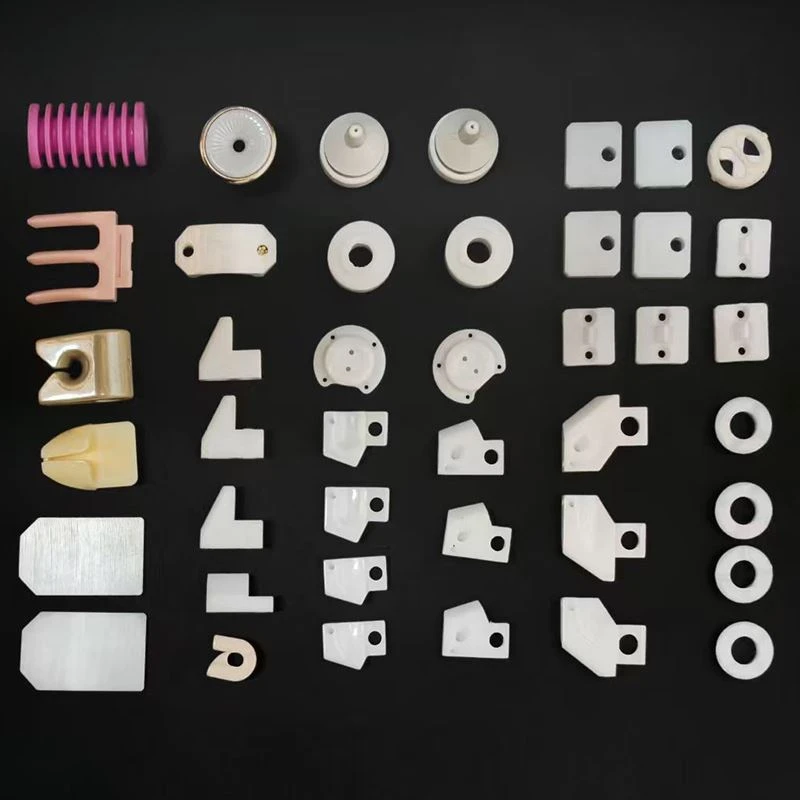
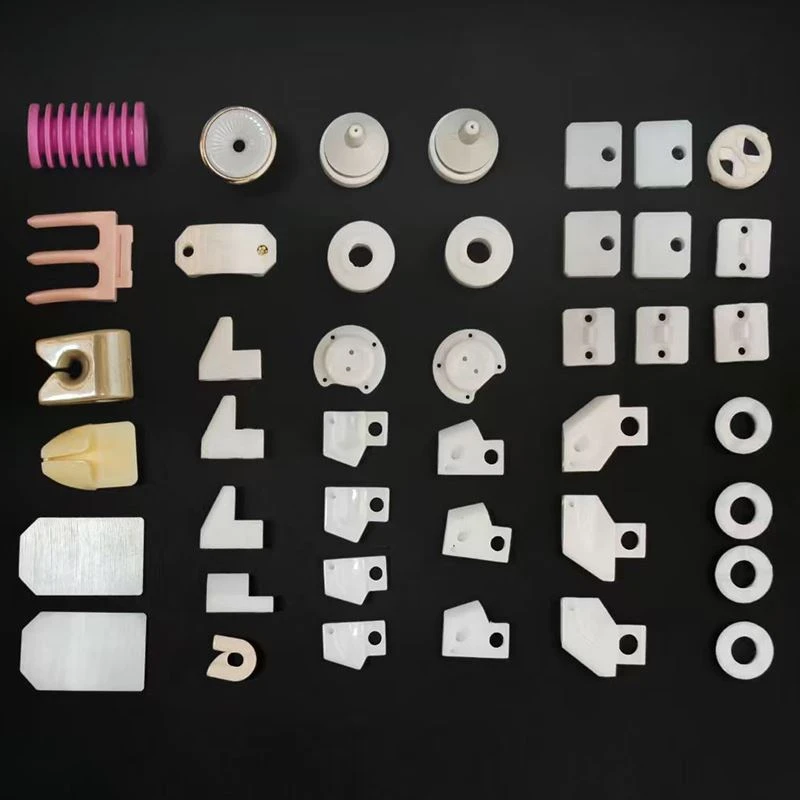
Thirdly, ceramic components have excellent mechanical properties. They are strong, wear - resistant, and can withstand the forces of chewing and biting over a long period. This results in long - lasting dental restorations that require less frequent replacement.
Manufacturing Precision for Dental Applications
As a supplier of precision ceramic components, we understand the importance of manufacturing processes in achieving the required precision for dental applications. Our state - of - the - art manufacturing facilities are equipped with advanced machinery and technologies that allow us to produce components with extremely tight tolerances.
We use high - precision machining techniques, such as computer - numerical - control (CNC) machining, to ensure the accuracy and consistency of our products. Additionally, our quality control processes are rigorous, ensuring that every Precision Ceramic Component meets the highest standards of quality and performance.
Heat Resistance in Dental Ceramics
Heat resistance is another crucial property of ceramic components used in the dental industry. During the manufacturing process of dental restorations, such as crowns and bridges, the ceramic materials may be exposed to high temperatures. Our Heat Resistant Ceramic Parts can withstand these high temperatures without losing their shape or mechanical properties.
This heat resistance is also important during the firing and sintering processes, which are essential for strengthening the ceramic components. The ability of our ceramic parts to maintain their integrity under high - temperature conditions ensures the reliability and durability of dental restorations.
Industrial Applications and Transfer to Dentistry
The development of precision ceramic components in the industrial sector has greatly influenced the dental industry. Many of the manufacturing techniques and materials used in Industrial Ceramic Components have been successfully transferred to dental applications.
For example, the development of high - strength ceramic materials and precision manufacturing processes in industries such as aerospace and electronics has led to the availability of more advanced ceramic components for dentistry. These industrial - grade materials offer superior performance and reliability, meeting the demanding requirements of dental treatments.
Future Trends in Ceramic Dental Components
Looking ahead, the future of precision ceramic components in the dental industry is promising. Advancements in material science will likely lead to the development of even stronger, more biocompatible, and aesthetically pleasing ceramic materials.
The integration of digital technologies, such as 3D printing and computer - aided design (CAD)/computer - aided manufacturing (CAM), will further enhance the precision and customization of ceramic dental components. This will allow for more efficient production processes and better - fitting dental restorations.
Conclusion and Call to Action
In conclusion, precision ceramic components have become an indispensable part of modern dentistry, offering a wide range of benefits in terms of aesthetics, functionality, and patient safety. As a leading supplier of Precision Ceramic Components, we are committed to providing the highest - quality products to meet the evolving needs of the dental industry.
If you are in the dental industry and are looking for reliable, high - precision ceramic components, we invite you to contact us for a detailed discussion. Our team of experts is ready to assist you in finding the perfect ceramic solutions for your dental applications.
References
- Ratner, B. D., Hoffman, A. S., Schoen, F. J., & Lemons, J. E. (Eds.). (2004). Biomaterials science: An introduction to materials in medicine. Elsevier.
- Craig, R. G., Powers, J. M., & Wataha, J. C. (2012). Restorative dental materials. Elsevier Health Sciences.
- Anusavice, K. J., Shen, C., & Rawls, H. R. (2013). Phillips’ science of dental materials. Elsevier Health Sciences.