

As a supplier of Ceramic Yarn Guides, I often get asked whether these nifty little tools require frequent replacement. It's a great question, and one that I'm more than happy to dive into.
Let's start by getting to know what Ceramic Yarn Guides are. If you're not familiar, you can click Ceramic Yarn Guide to learn more. These guides are essential components in the textile industry. They're used to direct yarn smoothly through various stages of the manufacturing process, like spinning, weaving, and knitting. The ceramic material is chosen for its hardness, wear resistance, and smooth surface, which helps prevent yarn breakage and ensures a high - quality end product.
Now, the big question: do they need to be replaced often? Well, it depends on a few factors.
1. Usage Frequency
Just like any other tool, the more you use it, the more wear and tear it'll experience. In a high - volume textile production facility where machines are running 24/7, Ceramic Yarn Guides are constantly in use. The continuous friction between the yarn and the guide can gradually wear down the ceramic surface. Over time, small scratches and rough spots can develop. These imperfections can cause the yarn to snag, leading to breakages and a decrease in production efficiency. In such a scenario, replacement might be needed more frequently, perhaps every few months.
On the other hand, if the usage is relatively light, say in a small - scale artisanal textile workshop where the machines are only used a few hours a week, the Ceramic Yarn Guides can last much longer. You might only need to replace them once a year or even less frequently.
2. Yarn Type
The type of yarn being processed also has a significant impact on the lifespan of Ceramic Yarn Guides. Different yarns have different properties, such as thickness, roughness, and abrasiveness. Rough or thick yarns exert more stress on the guides compared to fine, smooth ones.
For instance, natural fibers like jute or hemp are coarser and more abrasive. When these types of yarns are run through the guides, they can cause more rapid wear. In contrast, silk or fine cotton yarns are relatively gentle on the guides. If your production mainly involves working with abrasive yarns, you should expect to replace the Ceramic Yarn Guides more often.
3. Maintenance
Proper maintenance can significantly extend the lifespan of Ceramic Yarn Guides. Regular cleaning is crucial. During the textile manufacturing process, dirt, lint, and oil can accumulate on the surface of the guides. This buildup can increase friction between the yarn and the guide, accelerating wear. Using a soft cloth and a mild cleaning solution to wipe the guides regularly can prevent this buildup.
Also, it's important to check the guides for any signs of damage during routine maintenance. Cracks or chips in the ceramic can cause the yarn to catch and break. If you notice any such damage, it's best to replace the guide immediately to avoid production issues.
4. Quality of the Ceramic Yarn Guides
The quality of the Ceramic Yarn Guides you purchase plays a huge role. Higher - quality guides are made from better - grade ceramic materials and are manufactured with more precision. These guides tend to be more resistant to wear and tear. As a supplier, I always recommend investing in high - quality Ceramic Yarn Guides. Although they may cost a bit more upfront, they can save you money in the long run by reducing the frequency of replacements. You can explore our range of high - quality Ceramic Yarn Guide on our website.
Comparing with Other Parts in the Industry
In the textile and automation industries, there are other ceramic parts that are also important. For example, Ceramic Parts for Robots, Automation Ceramic Parts, Robot Ceramic Joints, and Textile Ceramic Parts. Each of these parts has its own set of requirements for replacement.
Ceramic parts for robots are often subject to high - stress movements and precise operations. They may need more frequent inspections and, depending on usage, replacement. Automation ceramic parts are used in a variety of automated processes, and their replacement frequency depends on the intensity and nature of the automation tasks. Robot ceramic joints are under constant mechanical stress, so they also need careful monitoring.
Compared to these parts, Ceramic Yarn Guides' replacement frequency is somewhat moderate. While they do face wear from the yarn, they are not usually subjected to the extreme mechanical forces that some robot or automation ceramic parts experience.
How to Determine When to Replace
So, how do you know when it's time to replace your Ceramic Yarn Guides? There are a few tell - tale signs.
First, if you start noticing an increase in yarn breakages that can't be attributed to other factors like yarn quality or machine settings, it could be a sign that the guides are worn out. The rough surface of a worn - out guide can cause the yarn to catch and snap.

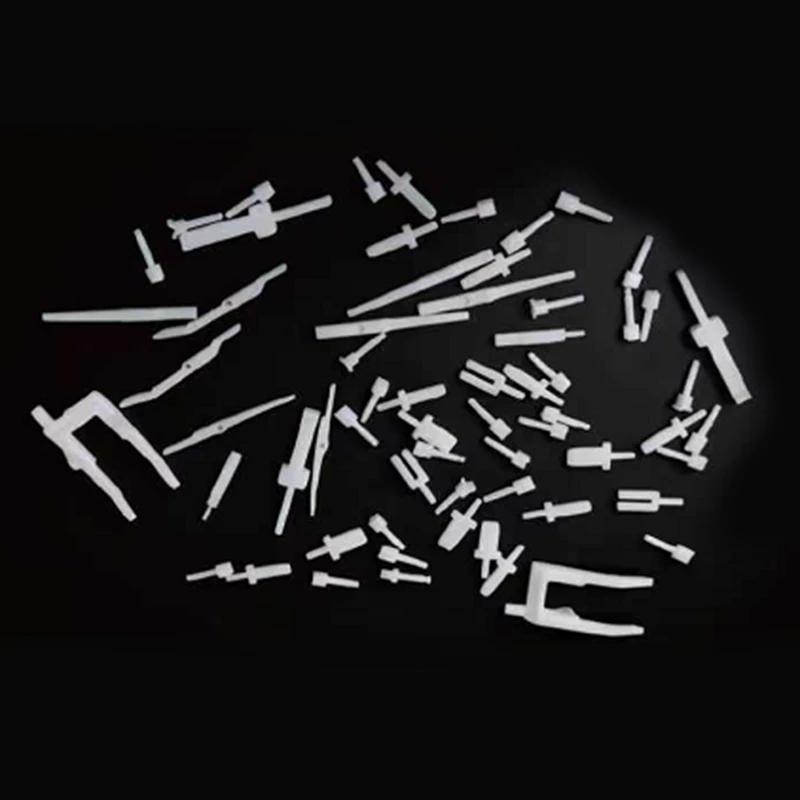
Second, visually inspect the guides. If you see deep scratches, chips, or cracks on the ceramic surface, it's definitely time for a replacement. Even small imperfections can have a big impact on the yarn's movement and the overall quality of the product.
Conclusion
In conclusion, Ceramic Yarn Guides don't necessarily require frequent replacement. By considering factors like usage frequency, yarn type, maintenance, and the quality of the guides, you can extend their lifespan. And if you're using high - quality guides from a reliable supplier (like us, hint hint), you're already one step ahead.
If you're in the market for Ceramic Yarn Guides or any of the other ceramic parts we offer, such as Ceramic Parts for Robots, Automation Ceramic Parts, Robot Ceramic Joints, or Textile Ceramic Parts, feel free to reach out. We're here to help you make the right choices for your business and ensure smooth production.
References
- General knowledge of the textile and ceramics industries from years of experience as a Ceramic Yarn Guide supplier.
- Industry reports on the performance and lifespan of ceramic components in textile manufacturing.